Chocolate has a cherished place in hearts and homes around the world. Whether savored as a sweet treat, melted into desserts, or gifted to loved ones, its popularity is undeniable. This International Chocolate Day, join us as we explore the fascinating history of chocolate, tracing its journey from ancient civilizations to its modern status as a global favorite.
The Ancient Roots of Cacao


The story of chocolate begins with cacao, the primary ingredient in chocolate. Native to the tropical regions of Central and South America, the cacao tree has been cultivated for over 5,300 years. Archaeological evidence suggests that the ancient Mayo-Chinchipe culture of Ecuador was among the earliest to use cacao. Although often associated with the Mayans, the history of cacao predates them, with Mayan cultivation starting around 400 AD. The Mayans revered cacao, using its beans to create “xocoatl,” a frothy, bitter beverage flavored with chili peppers and vanilla, valued for its medicinal properties and ceremonial significance.
The Aztecs, who rose to prominence in Mesoamerica from the 12th century onward, held cacao in even higher esteem. They considered the cacao tree a divine gift from the god Quetzalcoatl and used cacao beans as currency. Chocolate was a luxury for the elite, including nobility, warriors, and priests. The Aztec emperor Moctezuma II famously consumed large amounts of cacao to boost his vitality and libido.
The Spread of Chocolate to Europe
Chocolate remained confined to the Americas until the 16th century, when Spanish explorer Hernando Cortés encountered the Aztec Empire. Fascinated by the bitter drink, Cortés brought cacao beans back to Spain. The Spanish sweetened the beverage with sugar, and it quickly became a sensation among European aristocracy. By 1615, Anna of Austria, upon marrying King Louis XIII of France, popularized chocolate in Parisian courts, cementing its status as a fashionable drink among the elite.
The Invention of Edible Chocolate
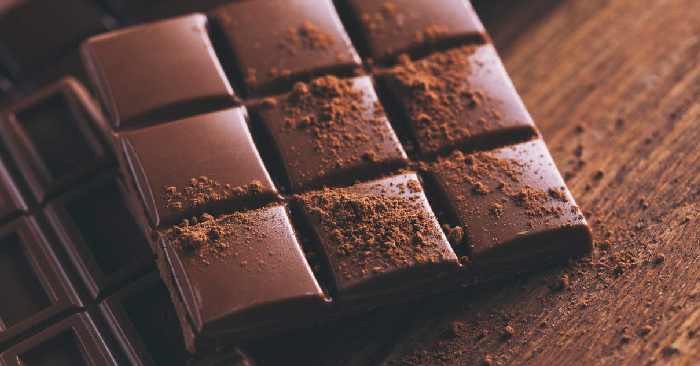
Chocolate remained a beverage until the early 19th century when technological advancements revolutionized its production. In 1828, Dutch chemist Coenraad Johannes van Houten invented the cocoa press, which separated cocoa butter from roasted cacao beans, resulting in a dry, cake-like mass that could be ground into cocoa powder. This innovation facilitated the creation of solid, edible chocolate.
The breakthrough came in 1847 when J.S. Fry & Sons, a British company, developed the first chocolate bar by blending cocoa powder, cocoa butter, and sugar. Swiss chocolatier Daniel Peter added powdered milk to the mix in 1875, inventing the first milk chocolate bar. These advancements paved the way for chocolate to become a mainstream confection enjoyed globally.
The Globalization of Chocolate
The Industrial Revolution marked a new era for chocolate production. As demand surged, European powers established cacao plantations in the tropics, often relying on enslaved African labor. By the late 19th century, chocolate had become a mass-produced commodity, with companies like Cadbury, Nestlé, and Hershey dominating the market.
Chocolate’s evolution from a bitter ceremonial beverage to a sweet, edible treat spread rapidly worldwide. Today, chocolate is a versatile ingredient featured in everything from cakes and truffles to ice creams and hot beverages.
Chocolate in India
The British introduced cacao to India in 1798, but it wasn’t until the 1960s and 70s that cacao cultivation became significant, particularly in South India. Early efforts focused on Kerala, Tamil Nadu, and Karnataka, with Cadbury playing a leading role in developing the industry. By replacing the vulnerable Criollo variety with the more robust Forastero, cacao farming expanded. Institutions like the Kerala Agricultural University and CAMPCO further stabilized the market, establishing India’s position in global cacao production. Today, Cadbury and Nestlé are major players in the Indian chocolate market.
As you celebrate International Chocolate Day 2024, reflect on chocolate’s remarkable journey—from ancient cacao fields to the sweet indulgence enjoyed worldwide. Whether savoring its rich flavor or appreciating its historical significance, chocolate remains one of the world’s most beloved foods.