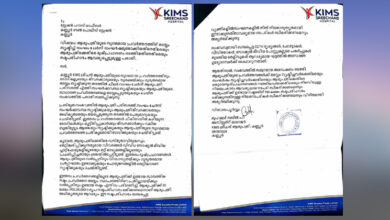
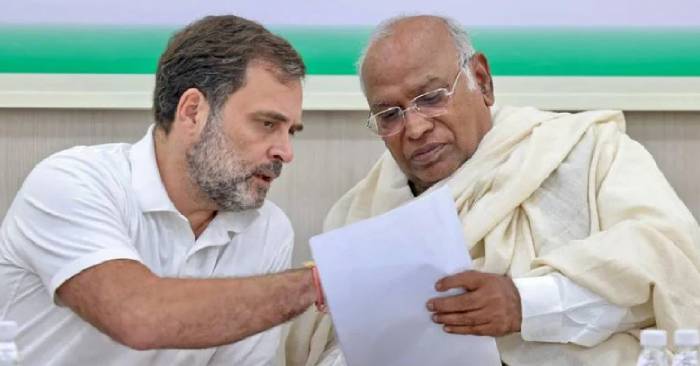
The Congress has voiced strong objections to the selection process for the chairperson and members of the National Human Rights Commission (NHRC), describing it as biased and lacking transparency. Opposition leaders Mallikarjun Kharge and Rahul Gandhi criticized the process as a “pre-determined exercise,” arguing that it disregarded established practices of consultation and consensus. They highlighted their concerns in a dissent note following the selection committee meeting held on December 18 at the Parliament House.
The Congress leaders had recommended Justice Rohinton Fali Nariman and Justice Kuttiyil Mathew Joseph for the chairperson’s role, emphasizing their credentials and the need for inclusivity. They argued that Justice Nariman, from the minority Parsi community, and Justice Joseph, from the Christian community, represent India’s pluralistic society and would enhance the NHRC’s inclusiveness and effectiveness. However, Justice V. Ramasubramanian, a retired Supreme Court judge, was ultimately appointed as chairperson.


Kharge and Gandhi also proposed Justices S. Muralidhar and Akil Abdulhamid Qureshi as members, citing their exemplary records in upholding human rights and social justice. They criticized the committee’s reliance on numerical majority to finalize appointments, stating it ignored valid concerns raised during the meeting.
The leaders emphasized that the NHRC’s effectiveness depends on its commitment to diversity and inclusivity, which ensures sensitivity to the challenges faced by marginalized communities. They expressed regret over the committee’s dismissive approach, warning that it risks undermining the institution’s credibility and public trust.
The NHRC plays a vital role in protecting human rights, especially for vulnerable groups. Congress leaders asserted that the exclusion of diverse and meritorious candidates raises questions about the impartiality and fairness of the selection process.