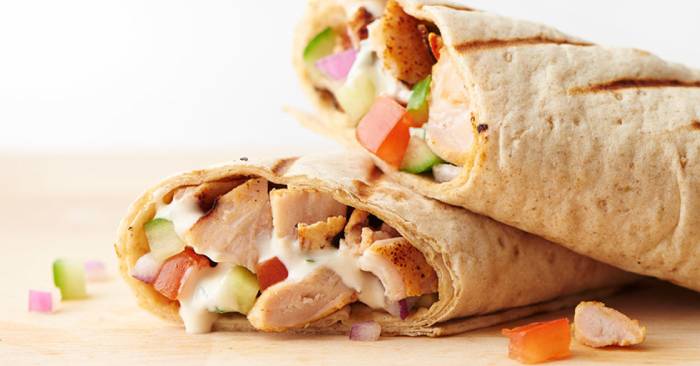
Shawarma is a popular fast-food choice, especially for busy youngsters looking for a quick and tasty meal. However, it has often been under scrutiny due to hygiene concerns and the risk of food poisoning. One of the major culprits behind foodborne illnesses linked to shawarma is the mayonnaise used, traditionally made from raw eggs. In Kerala, health authorities have banned the use of raw egg-based mayonnaise after multiple cases of food poisoning. Despite this, some eateries continue to prepare and serve shawarma under questionable hygienic conditions.
If you want to ensure that the shawarma you consume is safe, here are some important hygiene pointers to check:


Drip Collection Tray: The shawarma stand should have a tray beneath the rotating spit to collect meat drippings, preventing contamination.
Clean Cutting Tools: The knife used to slice the meat must be properly disinfected and free from leftover residue.
Hygiene Standards of Food Handlers: Food handlers should wear gloves, hairnets, and aprons to prevent direct contact with food.
Proper Cooking Temperature: The meat, especially in the corners of the shawarma rotisserie, must be cooked to a minimum internal temperature of 75°C. Some outlets display digital thermometers to ensure transparency.
Storage and Consumption Timing: Always check the preparation time and the “Eat within” instructions on the packaging. Mayonnaise should not be stored at room temperature for over two hours.
Portion Size and Add-Ons: Opt for a smaller shawarma portion rather than oversized rolls, and pair it with fresh, well-cleaned, and properly cooked vegetables to balance your meal.
By following these precautions, you can enjoy your favorite shawarma while minimizing the risks of foodborne illnesses. Always choose eateries that follow proper hygiene practices and prioritize food safety to ensure a healthy dining experience.