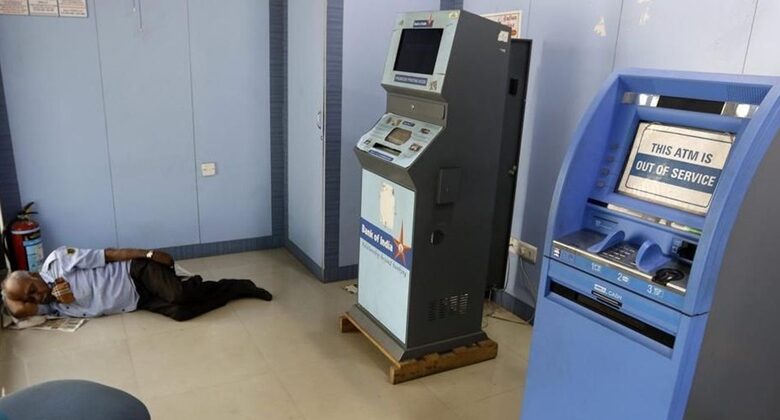
The Indian banking landscape is undergoing a significant transformation, with the Reserve Bank of India (RBI) reporting a noticeable dip in the number of automated teller machines (ATMs) for the fiscal year 2025. This decline is closely linked to the accelerating pace of digitalisation in payments, which is reshaping customer transaction habits.
While ATMs are decreasing, the report also highlights a contrary trend of growth in bank branches, particularly driven by public sector banks expanding their physical footprint. According to the RBI’s ‘Trend and Progress of Banking in India’ report for FY25, the total number of ATMs across the country fell to 2,51,057 as of March 31, 2025, down from 2,53,417 in the previous year.


This reduction was primarily influenced by the strategies of private sector banks, whose ATM network contracted to 77,117 from 79,884. Public sector banks also contributed to this decline, with their ATM count reducing to 1,33,544 from 1,34,694. Both groups cited the closure of off-site ATMs as the main reason for the decrease.
The central bank explicitly linked the reduced ATM usage to the “increase in digitalisation of payments,” which has lessened customers’ reliance on physical cash withdrawal points. This shift underscores the growing acceptance and preference for digital transaction methods among the Indian populace. The report indicates that this trend is a key driver for banks to re-evaluate their physical cash dispensing infrastructure.
Despite the rise of digital channels, banks have continued to open new branches. The total number of bank branches in the country increased by 2.8% to 1.64 lakh as of March 31, 2025. Public sector banks were particularly proactive in network expansion, accounting for a significant share of new branch openings. This suggests a strategic focus on maintaining physical presence, possibly to cater to specific customer segments or services.
Public sector banks showed more aggression in opening new branches, especially in rural and semi-urban centres. This contrasts with private banks, whose share in new branch openings declined. Over two-thirds of new branches opened by public sector banks were in rural and semi-urban locations, highlighting a commitment to financial inclusion and wider geographical reach.
In contrast to the overall ATM decline, independently operated white-label ATMs saw growth, increasing to 36,216 from 34,602 in the year-ago period. This segment plays a crucial role in extending ATM access to underserved areas. The number of basic savings bank deposit accounts (BSBDAs) rose by 2.6% to 72.4 crore, with the aggregate balance increasing by 9.5% to ₹3.3 lakh crore. The business correspondent model continues to be a key channel for these accounts, proving effective at the grassroots level.
The declining ATM numbers signal a structural shift in banking operations, potentially leading to reduced costs for banks but also raising concerns about cash accessibility for certain demographics, especially in remote areas. The growth in branches, particularly in rural locales, by PSBs indicates a strategy balancing digital convenience with physical outreach and financial inclusion. This trend could impact traditional banking jobs, ATM maintenance companies, and fintech providers.