The vision of a “Drug-Free Tamil Nadu” is increasingly being questioned as recent data, seizures, and incidents suggest that narcotics may be gaining ground across the state. Reports of rising drug circulation, involvement of young people, and links to violent crime have raised concerns about whether enforcement efforts are keeping pace with the problem.
Surge in Drug Seizures Raises Red Flags
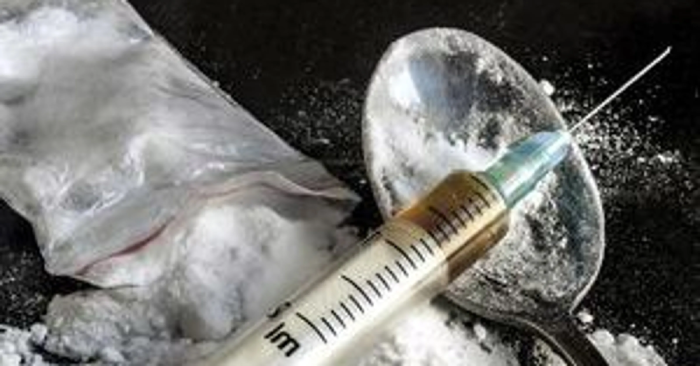
Recent police data indicates a sharp increase in the seizure of pharmaceutical and synthetic drugs. In 2023, authorities seized 39,910 narcotic tablets. This number rose significantly to around 1.42 lakh in 2024, pointing to a possible expansion in the illegal drug supply chain.


While law enforcement agencies have carried out campaigns such as “Ganja Vettai” to curb drug distribution, some observers argue that synthetic drugs are spreading faster than traditional enforcement methods can contain.
Concerns Over Link Between Drugs and Violence
The issue has drawn further attention due to incidents of violence allegedly involving substance abuse.
A notable case occurred in Nanguneri on March 2, 2026, where two men were reportedly killed by a group believed to be under the influence of alcohol and drugs. The case generated public concern after reports suggested that some of the accused had been previously linked to earlier violent incidents.
Such cases have raised broader questions about monitoring repeat offenders and the possible role of substance abuse in escalating violent behaviour.
In another incident in Tiruttani, four minors recorded themselves assaulting a migrant worker. The episode sparked debate about the influence of drugs and alcohol on adolescents and their decision-making.
Drug Access Among Youth Raises Alarm
There are growing concerns that narcotics are becoming more accessible to younger age groups. Some studies suggest that drug use among minors aged 10 to 17 in Tamil Nadu could be significant, though estimates vary and require careful interpretation.
Activists and community groups have reported the sale of banned or harmful substances near schools and tuition centres. These include products marketed in forms that may appeal to young users, increasing the risk of experimentation.
There are also indications that distribution methods are evolving. Instead of relying solely on street-level networks, some suppliers are reportedly using more organised and discreet delivery systems, making detection more difficult.
Calls for Stronger Action
The combination of rising seizures, youth exposure, and violent incidents has led to calls for a more comprehensive response.
Experts and activists argue that awareness campaigns alone may not be sufficient. They emphasize the need for:
-
Improved intelligence gathering
-
Consistent enforcement operations
-
Stronger monitoring around schools and colleges
-
Better coordination between law enforcement and local communities
An Ongoing Challenge
The Tamil Nadu government continues to highlight its efforts to combat drug abuse, but recent developments suggest that the issue remains complex and evolving.
As concerns grow, the effectiveness of current strategies is likely to remain under scrutiny. Addressing the problem may require not only stricter enforcement but also long-term social, educational, and preventive measures.
Without sustained and adaptive action, experts warn that drug-related issues—particularly those affecting young people—could pose a serious challenge to public safety and the broader goal of a drug-free society.