Millets are becoming increasingly popular for their remarkable health benefits, but did you know they can be categorized into positive, neutral, and negative types based on their fiber content and impact on health? Kavita Dev, known as Millet Maa, offers insights into these categories and how each type can benefit your diet and overall well-being.
Millets, small-seeded grasses that have nourished humans for thousands of years, are a nutritional powerhouse. They are environmentally friendly, versatile in cooking, and packed with nutrients. Understanding the different types of millets and their specific benefits can help you make the best choice for your health.


Positive Millets: Nutritional Powerhouses
These millets stand out for their high fiber content, typically ranging from 8% to 12.5%, offering exceptional health benefits:
Foxtail Millet (Kangani): Known for its 7% fiber content, this millet supports respiratory health and is excellent for the nervous system. It’s also great for managing arthritis and breathing difficulties.
Brown Top Millet (Hari Kangani): With a remarkable 12.5% fiber content, it’s ideal for alleviating constipation and aiding in weight management.
Kodo Millet: Containing 10% fiber, it is beneficial for blood health, sleep disorders, and boosting immunity. It is also effective in managing diabetes.
Barnyard Millet: With 11% fiber, it’s great for liver and kidney health and regulating cholesterol levels.
Little Millet (Kutki): Known for its 10-11% fiber content, it’s particularly helpful in balancing hormones and supporting reproductive health.
Neutral Millets: The Balanced Options
These millets contain 3% to 6% dietary fiber and offer moderate health benefits:
Finger Millet (Ragi): With 3.6g of fiber, it’s excellent for bone health and managing diabetes. It’s also rich in calcium and iron.
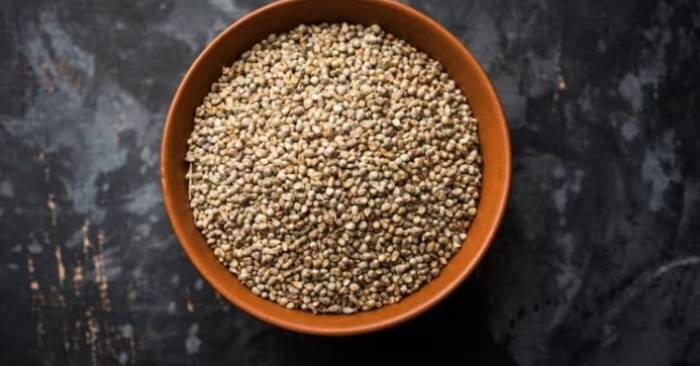
Pearl Millet (Bajra): A heart-healthy option, it helps manage blood pressure and cholesterol levels.
Sorghum (Jowar): Containing 4g of fiber, it’s good for nerve health and is naturally gluten-free.
Proso Millet: With 2.2g of fiber, it supports nervous system health and aids in cholesterol management.
Negative Millets: The Common Staples
These grains are often grouped with millets but fall short in fiber content, making them less beneficial for gut health:
Wheat: With only 1.2g of fiber, it provides energy but contains gluten, which can be intolerable for some people.
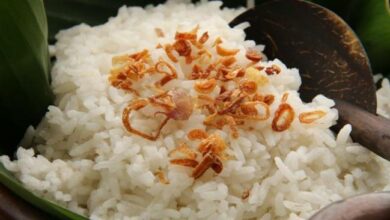
Rice: Containing just 0.2g of fiber, it’s easy to digest and provides quick energy but lacks the fiber required for digestive health.
Incorporating Millets into Your Diet
Adding millets to your meals is easy and versatile. You can swap rice or wheat with millets in various dishes, or even grind them into flour to create dough for different recipes. It’s important to vary the types of millets you use to maximize their health benefits and enjoy the full range of their nutritional advantages.