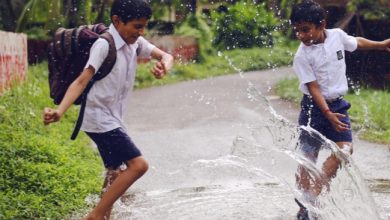
A recent report by the Sulabh Sanitation Mission Foundation (SSMF), titled Combating The Silence From Menarche To Menopause, revealed that 91.7% of older women refrain from consulting doctors for menstruation-related issues due to a shortage of women doctors. Presented on January 17, 2025, in Mumbai, the study also highlighted the impact of inadequate menstrual hygiene facilities in schools. Many girls avoid using school restrooms during menstruation because of unhygienic conditions, such as the absence of water, soap, and proper doors. This lack of facilities forces girls to stay home during their periods, leading to school absenteeism of up to 60 days annually, often resulting in dropouts and early marriages.
The report examined menstruation-related challenges faced by women in 14 districts across India, including Maharashtra’s Beed and Dharashiv districts. Findings showed that 89.9% of women in Beed did not perceive menstrual health issues as significant, and 70.4% of women in Dharashiv felt medical assistance was inaccessible. Migrant women workers, including sugarcane cutters and factory laborers, face additional challenges, such as limited access to water and inadequate hygiene management at their workplaces.


The study recommended a demographic-specific approach to menstrual hygiene management. For instance, the Jal Jeevan Mission could address water scarcity issues for sugarcane cutters. Dr. Neelam Gorhe, Deputy Chairperson of the Maharashtra Legislative Council, emphasized the importance of understanding women’s preferences, such as comfort with menstrual cups, while addressing menstrual health challenges. She also pointed to the pressing need for proper waste disposal systems for menstrual products.
This research underscores the urgent need for holistic solutions to improve menstrual hygiene and access to healthcare, ensuring better education, health, and economic participation for women.