What is an anti-inflammatory diet?
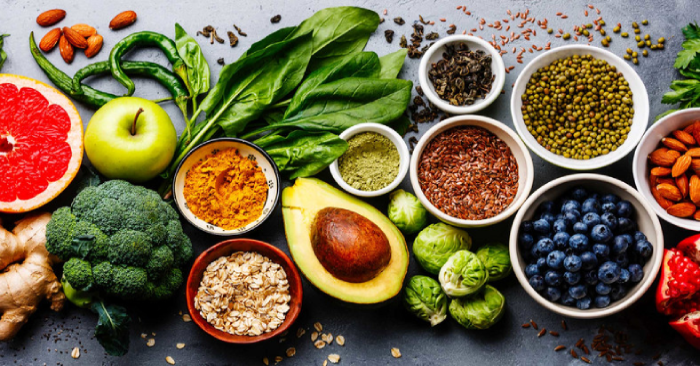
The basic concept of an anti-inflammatory diet is to include foods like fruits, vegetables, whole grains, and healthy fats that are high in nutrients that fight inflammation. It also emphasises cutting back on or avoiding things like processed foods and sugary drinks that can make inflammation worse. Fruits, vegetables, whole grains, oily fish, healthy fats, legumes, herbs, and spices are important foods that reduce inflammation.


According to recent study reports, eating food that lowers inflammation in the body may help people with advanced colon cancer survive longer. The research was presented at a meeting of the American Society of Clinical Oncology in Chicago. The findings suggest that cancer patients can have at least some control over the outcome of their disease, even at later stages.
“This is the most common question that patients ask me when I see them in clinic,” said Dr. Kimmie Ng, an author of the new study and associate chief of the division of gastrointestinal oncology at Dana-Farber Cancer Institute in Boston. “What is it that I can do myself to try to improve my chances, help me live as long as possible?” With standard care — surgery and chemotherapy in most cases — about three-quarters of patients can expect to live at least five years after their diagnosis, according to the American Cancer Society.
All the patients in the new analysis got the same treatment: surgery, followed by three to six months of chemotherapy. They also filled out dietary questionnaires during and after their chemotherapy treatments. Researchers followed up on the participants for five years. Patients who regularly ate foods that promote inflammation in the body — ultraprocessed foods, excessive amounts of sugar and saturated fats — had up to an 87% higher risk of dying from their disease when compared to people who ate a far less inflammatory diet. The less-inflammatory diet was more plant-focused, and included foods such as leafy greens, carrots, coffee and tea.
Cancer patients, once treatment is done, may need additional help making dietary changes to improve survival long-term. Apart from diet, patients also boosted their chances of living longer with physical activity. People who ate diets least likely to promote inflammation and who did the equivalent of taking a brisk walk for an hour at least three times a week had a 63% lower risk of death from any cause during the five-year follow-up period. More than 150,000 people are diagnosed with colorectal cancer every year, according to the American Cancer Society.