
Glutathione is a powerful antioxidant found in every cell of the body. It plays a crucial role in protecting cells from oxidative stress and damage caused by free radicals. It comprises three amino acids: glutamine, glycine, and cysteine. Glutathione is primarily used for skin lightening. It helps reduce melanin levels and improves skin texture. Glutathione levels typically decline with age and due to factors like poor nutrition, environmental toxins, and stress.
How does it work?


Glutathione lowers melanin levels by suppressing the tyrosinase enzyme, which results in brighter and more even-coloured skin. As a potent antioxidant, glutathione also helps combat oxidative stress and slows down skin ageing. Beyond its skin benefits, glutathione is important for immune function. Not many know that glutathione levels can be boosted naturally. It can be achieved through various lifestyle choices and dietary adjustments. Here we have some effective methods.
Ways to boost glutathione levels naturally:
Add Foods naturally rich in glutathione to your diet
There are a few dietary sources of glutathione which can effectively help lower oxidative stress.
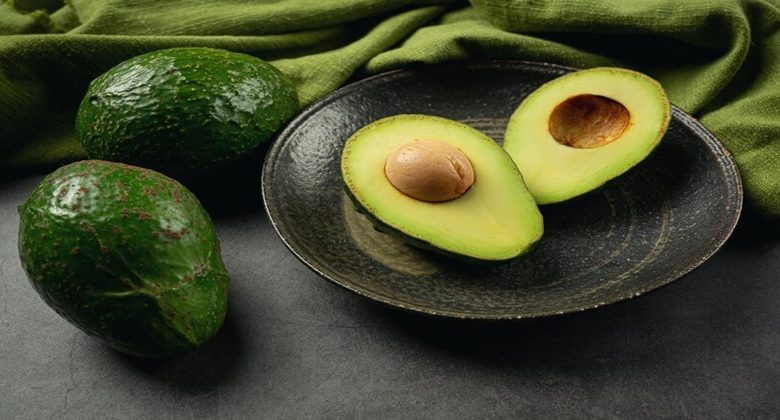
- Avocados
- Spinach
- Okra
- Tomatoes
- Asparagus
1. Consume sulfur-rich foods
Sulfur is an important mineral which is required for the synthesis of glutathione. Incorporate garlic, onions, and cruciferous vegetables like broccoli, Brussels sprouts, and kale into your diet.
2. Increase your vitamin C intake
Glutathione is usually combined with vitamin C to enhance its effectiveness. It plays a vital role in maintaining glutathione levels. Vitamin C further boosts collagen production, improving skin tone and texture. Citrus fruits, strawberries, kiwi, and bell peppers are excellent sources of vitamin C.
3. Consume selenium-rich foods
Selenium has been shown to support glutathione production. Include nuts (especially Brazil nuts), fish, and eggs in your diet.
4. Prioritize sleep
Studies show that chronic lack of sleep may decrease glutathione levels. Ensure good quality sleep to regenerate and recover, which helps in maintaining healthy glutathione levels.
5. Exercise regularly
According to research, engaging in regular physical activity is a natural way to stimulate the body’s antioxidant defences, including increasing glutathione levels. However, it is also crucial to eat a nutritious diet along with training to promote glutathione levels.
6. Manage stress
Chronic stress can deplete glutathione. Engaging in relaxation techniques such as meditation, yoga, or deep breathing exercises can be beneficial.
Experts suggest that excess or unregulated consumption, in oral or injectable form, may result in side effects like gastrointestinal issues, allergic reactions, or renal/hepatic stress in susceptible individuals. Injectable glutathione, in particular, should be consumed only under a doctor’s guidance since little is known about its long-term consequences.