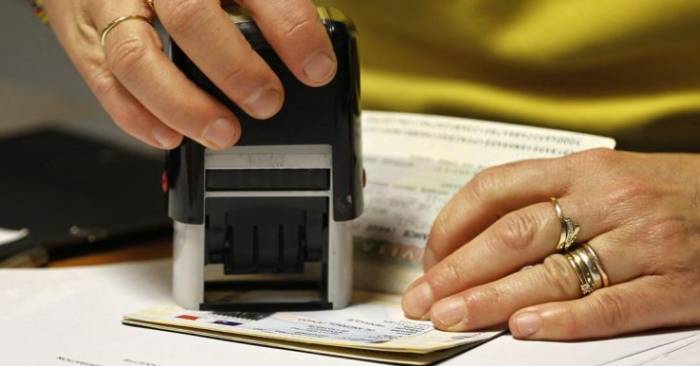
Applying for a visa to visit foreign countries involves various steps and can sometimes result in rejection. A common concern for applicants is the refund of the application fee. Here’s a guide on what you need to know about visa refund policies and how to apply for a refund if your visa application is rejected.
What Are Non-Refundable Applications?
Visa application fees are typically non-refundable, even if your application is rejected. This fee covers the cost of processing and administrative work. Applicants should be aware that the application fee often includes these non-recoverable costs.


Checking the Refund Policy
While the standard application fee may not be refundable, there could be exceptions for other fees. For example, fees paid for expedited processing or courier services might be partially refunded. It is crucial to read and understand the refund policy of the embassy or consulate where you applied, as policies can vary by country.
How to Apply for a Refund
Contact the Embassy or Consulate: Reach out to the embassy or consulate where you submitted your application as soon as possible. You may need to visit in person.
Submit Required Documents: Provide details of your application, including your reference number, the date of application, and any other required documents. Fill out any available refund application forms.
Include Proof of Payment: Attach receipts of fees paid, proof of payment, and the rejection document with your refund application.
Follow Up: Stay in contact with the embassy to ensure that your refund process is initiated. Keep all documents related to your refund application.
Understand Rejection Reasons: Knowing why your application was rejected can help you address any issues and improve your chances in future applications.
Schengen Visa Rejection: Impact on Indian Applicants
Indian applicants have faced significant challenges with Schengen visa rejections. Last year, approximately 1,51,752 out of 9,66,687 applications were rejected, resulting in a financial loss of around Rs 109 crore. The high application fees contribute to the stress and financial burden for applicants. India ranks third globally in Schengen visa rejections, following Turkey and Algeria, with a cumulative loss of about Rs 1172 crore.
Understanding the refund policies and application processes can help mitigate some of the stress associated with visa rejections.