In Kerala, Easter is not just a religious event but a vibrant cultural and culinary celebration, especially among the Syrian Christian community. Celebrated with immense devotion and enthusiasm, Easter marks the resurrection of Jesus Christ and brings families together for a day of prayer, reflection, and most memorably—feasting. This year, Easter falls on April 20, and Syrian Christian homes across Kerala will come alive with a mix of aroma, tradition, and joy.
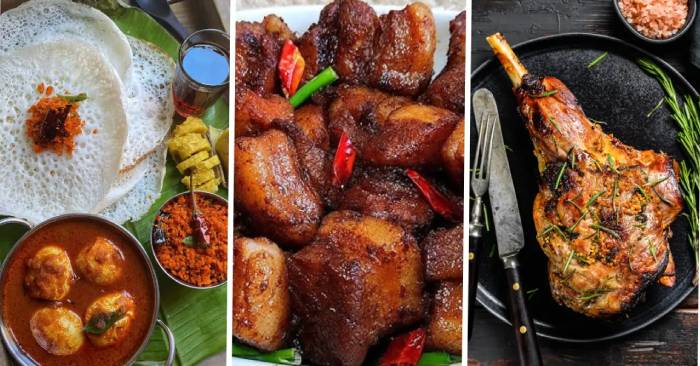
The day typically begins with a hearty breakfast of appam and stew. Appam, a soft, bowl-shaped pancake made from fermented rice batter, is served with a delicately spiced stew made of chicken and vegetables. This warm, comforting combination sets the tone for the day’s indulgence.


As the morning gives way to brunch, tables are adorned with regional favourites such as cabbage or beans thoran, homemade pickles, and desserts like caramel custard to strike a balance between savoury and sweet.
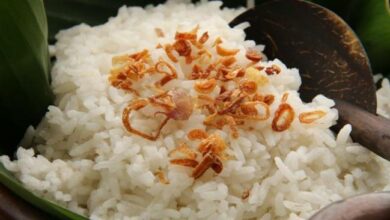
The grand Easter lunch is a highlight, featuring coconut milk-rich fish moilee, tangy kudam puli fish curry, and Kerala red rice. Meat lovers delight in spicy pork fry, often accompanied by the mildly sweet vattayappam. Another beloved sweet, pazham nanachathu, made with ripe bananas sautéed in ghee, brings a nostalgic finish.
Dinner is equally grand, with star dishes like roast lamb, chicken, or honey-glazed ham, paired with roasted seasonal vegetables and special treats like Easter egg doughnuts.
One standout dish that represents the spirit of this celebration is Angamaly pork—a slow-cooked delicacy from the Angamaly region, often made using traditional family recipes passed down through generations. Rich in spice and heritage, it is a true centrepiece of the Easter table.
For Syrian Christians in Kerala, Easter is more than just food—it is a heartfelt celebration of faith, family, and a centuries-old culinary tradition.