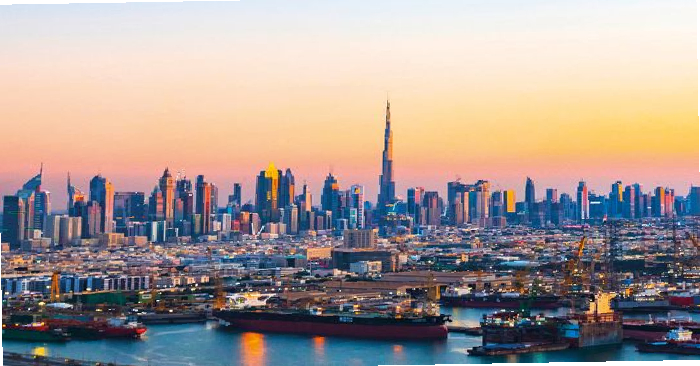
Dubai witnessed a remarkable population growth in 2024, reaching 3.825 million by year-end—an increase of over 169,000 residents, marking the highest annual rise since 2018, according to data from the Dubai Statistics Centre. This surge reflects the emirate’s continued appeal as a hub for professionals, investors, and job seekers worldwide.
The population trend, consistent over recent years, saw gains of more than 104,000 in 2023, 71,500 in 2022, and 67,000 in 2021. Even during the COVID-19 pandemic in 2020, Dubai attracted approximately 54,700 new residents, showcasing its resilience and effective crisis management.

Analysts project that this growth will significantly boost demand for housing, transportation, healthcare, education, and utilities in 2025 and beyond. The increased population is expected to drive higher consumption, providing a robust boost to economic growth. Akbar Naqvi of Zasard Holdings highlighted the benefits for both government and private sectors, particularly in housing, transportation, and fee-based services.
Despite concerns over infrastructure strain, experts are confident in Dubai’s proactive approach to urban planning and horizontal expansion, ensuring the city remains equipped to handle the demands of its growing population. This confidence in Dubai’s future underscores its status as a thriving global economic hub. This surge in Dubai’s population also reinforces its global appeal as a city that offers unparalleled opportunities and a high standard of living. With government-backed initiatives and strategic investments in infrastructure, the emirate is well-positioned to manage the challenges of growth while capitalizing on its benefits. As Dubai continues to attract talent, investors, and businesses from around the world, its population expansion is set to play a pivotal role in shaping its economic landscape, further solidifying its reputation as a dynamic and resilient global metropolis.