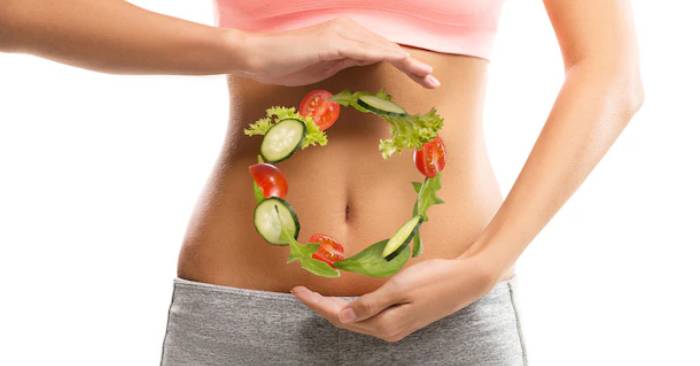
The gut microbiome, a complex community of microorganisms in your digestive tract, plays a vital role in digestion, immune function, and even mental health. To maintain a balanced gut microbiome, it’s important to be mindful of the foods you consume. Here’s a look at some foods that can negatively impact your gut health:
Processed Foods: Often loaded with artificial sweeteners, preservatives, and additives, processed foods can disrupt gut bacteria and cause inflammation. Opt for whole, unprocessed foods to support a healthy gut.


Artificial Sweeteners: Substances like aspartame and sucralose can lead to glucose intolerance. Instead, use natural sweeteners like honey or maple syrup in moderation and limit sugar-free products and diet sodas.
Red Meat: High consumption of red meat may increase harmful bacteria in the gut and promote inflammation. Reduce your intake of red meat and focus on plant-based proteins such as beans, legumes, and tofu.
Fried Foods: Rich in unhealthy fats, fried foods can foster the growth of harmful bacteria and elevate inflammation. Opt for healthier cooking methods such as baking, grilling, or steaming, and use oils like olive oil.
Refined Sugar: Excessive refined sugar consumption can lead to an imbalance in gut bacteria, causing dysbiosis and inflammation. Avoid sugary snacks, desserts, and drinks, and choose fruits and natural sweeteners instead.
Alcohol: Alcohol can disrupt the gut microbiome balance and cause inflammation. If you choose to drink, do so in moderation and stay hydrated by drinking plenty of water.
Dairy Products: For individuals with milk allergies or lactose intolerance, dairy can cause digestive issues and disrupt gut health. Consider lactose-free alternatives like almond or soy milk.
Gluten: Gluten can trigger inflammation in those with gluten sensitivity or celiac disease. Avoid gluten-containing foods and opt for gluten-free grains like quinoa, rice, and millet.
Antibiotics: Overuse of antibiotics can harm beneficial gut bacteria. Use antibiotics only as prescribed and consider taking probiotics to help restore gut health during and after antibiotic treatment.
High-Fat Diets: Diets rich in unhealthy fats, especially saturated and trans fats, can reduce beneficial microbes and increase harmful bacteria. Include healthy fats from sources like avocados, nuts, seeds, and olive oil in your diet.
By avoiding these gut-damaging foods and focusing on a balanced, nutrient-rich diet, you can help maintain a healthy gut microbiome and overall well-being.