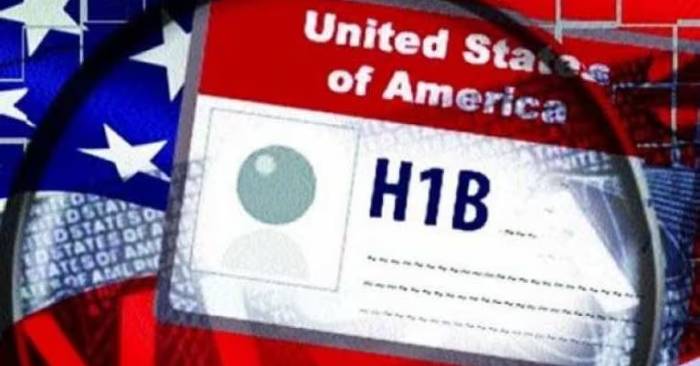
As Donald Trump’s potential return to the presidency nears, Indian professionals, particularly those relying on the H-1B visa programme, are bracing for possible changes in US immigration policy. During his first term, Trump pushed for stricter regulations on the H-1B visa, arguing it was detrimental to American job markets. His administration increased scrutiny on applications, leading to a surge in visa denials and delays. The future under Trump’s second term could see further tightening of the visa programme, including raising wage requirements for H-1B holders and possibly reducing the number of visas issued annually. These changes may make it more difficult for skilled foreign workers to secure employment in the US.
In addition, H-4 visa holders, the spouses of H-1B workers, could face more challenges. Trump’s administration had previously attempted to revoke the work rights of H-4 visa holders, and such measures could resurface. The Optional Practical Training (OPT) programme, which allows international students to work after graduation, might also face restrictions, especially for STEM graduates. Trump’s advisors, such as Stephen Miller, may push for policies that limit the programme, making the US a less attractive option for students seeking work experience.


Moreover, Trump’s proposal to offer automatic green cards to US graduates could benefit Indian students, but it may be coupled with wage increases that make it harder for foreign professionals to thrive in the job market. With stricter regulations already leading to declines in work visa registrations, the landscape for Indian talent in the US may shift dramatically in the coming years.