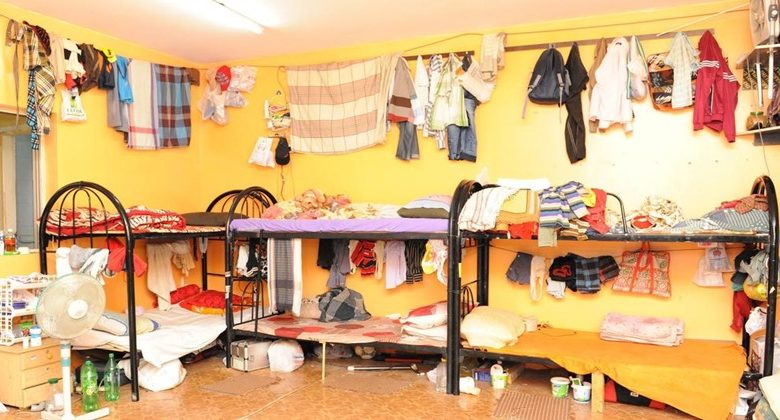
Living in a shared accommodation with many housemates packed into a single room brings more than noisy neighbours and bathroom queues; it also poses serious physical and mental health problems, according to some health practitioners in Dubai. With Dubai Municipality cracking down on illegal partitions and overcrowded flats, healthcare professionals hailed the initiative as a timely and much-needed step towards promoting better public health.
Residents living in overcrowded or partitioned spaces often visit with repeated respiratory and skin infections, stomach issues, and aggravated chronic conditions, said Dr Dharmendra Panchal, an internal medicine specialist at Medeor Hospital, Dubai. During the summer months, residents in such accommodations are also at higher risk of dehydration, fainting spells, and heat exhaustion.


“Rooms without windows or ventilation can become extremely hot,” he said, noting: “They avoid drinking water to minimise bathroom visits, making the risk (even) worse.” He also noted that many patients delay seeking treatment because of financial or logistical issues. “This poses risks not just to them, but to others at their workplace or in shared homes.” Dr Shahrzad Mojtabavi Naeini, a GP with International Modern Hospital, said overcrowded housing has led to a rise in dermatological problems.
“I see many patients with bed bug bites, fungal infections, or bacterial conditions like impetigo or folliculitis,” she said. “These are directly linked to poor hygiene, damp floors, and shared personal items in overcrowded flats.” She added that people also develop long-term skin problems due to unwashed clothes and lack of clean towels. “Infections spread easily in shared living spaces.
Even something simple like athlete’s foot can become chronic.” From a mental health point of view, overcrowded housing also takes a serious toll. Dr Nada Omer Mohamed Elbashir, a consultant psychiatrist at Burjeel Hospital, said the lack of personal space can slowly damage mental health. “People feel exposed, anxious, and constantly alert. They don’t get proper sleep, and are often irritable or emotionally drained,” she said. “Noise and lack of privacy make it hard to rest or even think clearly.” She noted that more patients now report sleep issues, anxiety, and low mood. “When your home doesn’t feel safe or peaceful, your mind never truly switches off,” she added.