Onam Sadya is a remarkable culinary tradition celebrated during Kerala’s Onam festival, offering a vibrant and deeply symbolic vegetarian feast served on a banana leaf. This grand meal epitomizes the agricultural abundance and communal spirit of Kerala, reflecting a rich tapestry of flavors and cultural significance.
Onam, a major harvest festival, takes place in the Malayalam month of Chingam (August-September), lasting for ten days with the main day known as Thiruvonam. The festival celebrates the return of the beloved mythical King Mahabali, whose annual visit is marked by festive cheer and a sumptuous feast. This year, Onam falls from September 6th to September 15th.

Significance of Onam
Onam is steeped in Hindu mythology, commemorating King Mahabali’s homecoming. According to legend, Mahabali, a righteous and adored ruler, was tricked by Lord Vishnu in the guise of Vamana, leading to his exile. However, Mahabali was granted the boon to visit his people once a year, and Onam celebrates his return, symbolizing prosperity and joy among his subjects.
What Is Onam Sadya?
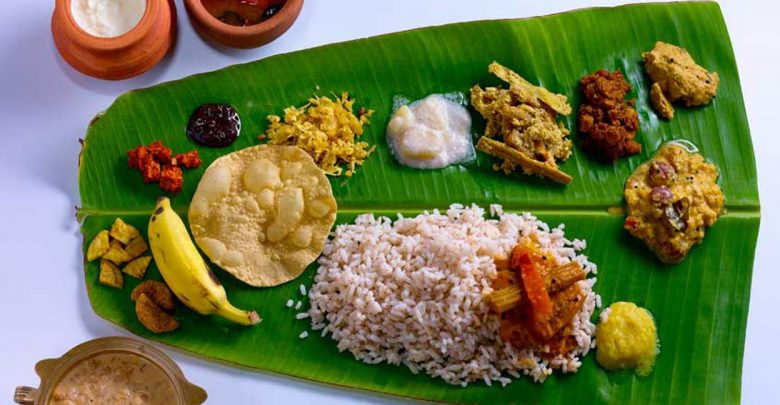
Onam Sadya is a traditional feast that features an array of over 25 vegetarian dishes meticulously arranged on a banana leaf. This meal, prepared with fresh, local ingredients and aromatic spices, is a testament to Kerala’s rich culinary heritage. It fosters a sense of community as families and friends come together to prepare and enjoy this elaborate spread.
The feast includes a variety of dishes such as Kaaya Varuthatha (banana chips), Chenna Varuthathu (spiced yam), and Sarkara Upperi (jaggery-coated banana chips). Other notable dishes include Pulinji (tamarind chutney), Ada Pradhaman (a traditional dessert), and Paal Payasam (sweet milk pudding). Each dish is crafted to complement the others, creating a balanced and flavorful experience.
Essence of Onam Sadya
The essence of Onam Sadya lies not just in its impressive array of dishes but also in its preparation and presentation. The meal is served on a fresh banana leaf, which is arranged with the broader end on the right. After eating, the leaf is folded upwards to signify respect and prevent spills. The dishes are meticulously placed: chips and pickles on the left, semi-dry dishes on top, and rice with sambar at the bottom.
Traditional Dishes Included in Onam Sadya
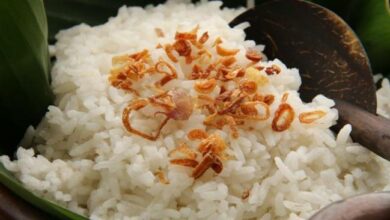
Matta Rice – Parboiled rice that embodies Kerala’s agricultural heritage.
Parippu – Cooked lentils tempered with spices, symbolizing humility.
Sambar – A flavorful stew with vegetables and lentils.
Rasam – A tangy tamarind soup that aids digestion.
Avial – A mix of vegetables in coconut and yogurt gravy.
Thoran – A dry vegetable stir-fry with coconut.
Olan – A mild curry with ash gourd and coconut milk.
Pachadi – A sweet and tangy yogurt-based dish.
Kichadi – A yogurt-based curry with vegetables.
Kootu Curry – Vegetables and lentils in coconut and spices.
Erissery – Vegetables and legumes cooked with coconut.
Pulissery – Yogurt-based curry with mangoes or plantains.
Moru Curry – A buttermilk-based curry.
Inji Puli – A ginger and tamarind chutney.
Pappadam – Crispy lentil wafers.
Banana Chips – Deep-fried raw banana slices.
Sharkara Upperi – Jaggery-coated banana chips.
Payasam – Sweet rice puddings.
Palada Payasam – Creamy rice pudding.
Ada Pradhaman – Rice flakes and jaggery dessert.
Nendran Banana – Ripe banana symbolizing local fruit abundance.
Sarkara Varatti – Jaggery-coated banana fritters.
Salt – Enhances the flavors of dishes.
Pickles – Adds tangy and bold flavors.
Curd – Balances spices and aids digestion.
Ghee – Clarified butter that enhances flavors and symbolizes prosperity.
Onam Sadya is more than just a meal; it’s a celebration of Kerala’s culture, community, and culinary tradition, serving as a festive highlight of the Onam festival.