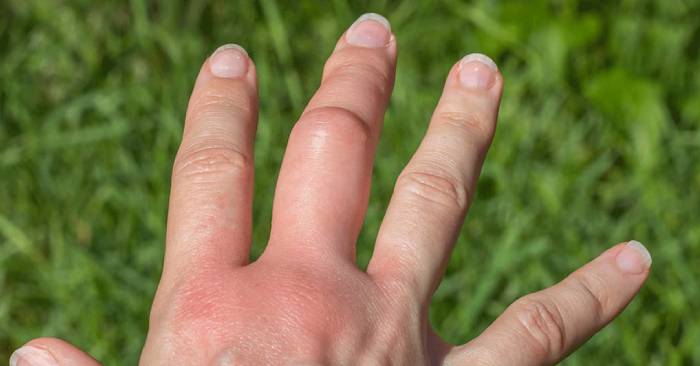
A honey bee sting is more than just a painful experience; it can lead to serious health complications if not handled correctly. When a bee stings, it injects venom into the skin, which can trigger allergic reactions, muscle weakness, and even kidney dysfunction in severe cases. The first and most crucial step after a bee sting is to remain calm and monitor your breathing and heart rate. If the affected person experiences difficulty breathing or their pulse weakens, immediate medical attention, including artificial ventilation, may be necessary.
One of the biggest mistakes people make after being stung is consuming alcohol or smoking, as these activities can cause the venom to spread faster in the bloodstream. Additionally, attempting to treat the sting with home remedies, such as rubbing herbs or applying unverified substances, can worsen the reaction. Dr. Ranjith Mathew, Medical Officer at the Community Health Centre in Angadikadavu, emphasizes that bee stings should not be dismissed as minor injuries, especially if someone has been stung multiple times. Since a bee’s stinger detaches from its body and remains in the skin, it continuously releases venom, potentially leading to allergic reactions that range from mild irritation to severe anaphylaxis.


Mild reactions can be managed with anti-allergic medications, but severe cases may cause a dangerous drop in blood pressure, muscle paralysis, and kidney failure. If the kidneys are affected, dialysis may be required to remove toxins from the body. Unfortunately, in extreme situations, even medical intervention may not be enough to prevent fatal outcomes.
If you are attacked by a swarm of bees, the best course of action is to run to a safe place immediately. Bees tend to target the face and head, so covering these areas with a helmet, thick clothing, or a sack can offer some protection. Seeking shelter inside an enclosed space, such as a car with rolled-up windows, can also prevent further stings. Taking these precautions and avoiding common mistakes can significantly reduce the risk of severe complications after a bee sting.