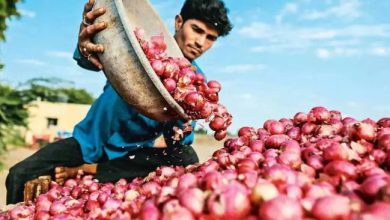

Indian agriculture faces increasing challenges due to climate change, as exemplified by the struggles of farmers like Yankappa Karbari in Karnataka and Swarn Singh in Punjab. In Raichur district, Karbari’s cotton crop is jeopardized by prolonged dry spells after an initially promising rainy start, reflecting broader issues across the region where drought conditions have led to significant crop failures. Similarly, in Punjab, Singh has experienced repeated crop losses due to erratic weather patterns, including unseasonal hail and rising temperatures, which have led to significant agricultural damage and have forced him to abandon farming this year.
To combat these issues, the Indian Council of Agricultural Research (ICAR) has recently partnered with major agribusiness firms to promote climate-resilient agricultural practices. These collaborations aim to enhance farmer training and implement new agricultural technologies. However, there are concerns about these partnerships potentially prioritizing corporate interests over genuine farmer support. Critics argue that such agreements could lead to increased reliance on agrochemicals, which may not address the root causes of climate vulnerabilities and could further complicate the situation for small-scale farmers.