
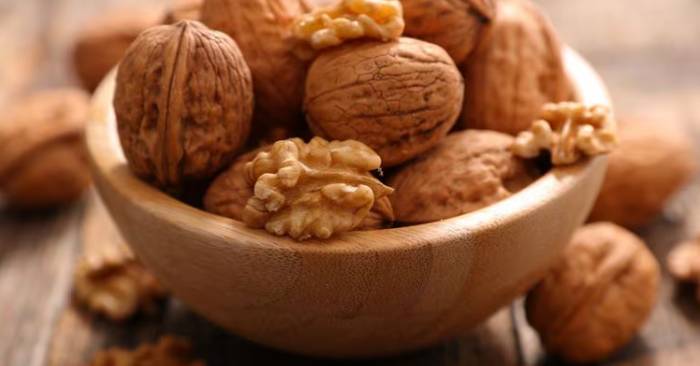
Walnuts aren’t just a delicious snack—they’re a nutrition-packed food that provides a multitude of health benefits. Although they’re calorie-dense and high in fats, research indicates that walnuts can play a key role in managing weight and reducing the risk of obesity. These tree nuts are rich in essential omega-3 and omega-6 fatty acids, which are crucial for heart health. These fatty acids help lower the risk of atherosclerosis by preventing the buildup of fats that narrow arteries. Additionally, walnuts contain protein and dietary fiber, which can aid in lowering cholesterol levels, providing extra protection for your heart.
Walnuts are more than just heart-healthy—they’re also a powerhouse of essential vitamins, minerals, and antioxidants. Regular consumption can improve skin, bone, and muscle health, and they support brain function, immune system activity, and overall well-being. Walnuts have been linked to preventing conditions like diabetes, cancer, heart disease, PCOS, and even Alzheimer’s disease.


Including walnuts in your diet is also an effective way to fight cholesterol. They help lower bad cholesterol (LDL) and increase good cholesterol (HDL), reduce blood pressure, and prevent plaque buildup in arteries, which all contribute to better cardiovascular health.
Walnuts aren’t just for adults; they’re also beneficial for children. According to health guidelines, kids aged 4 to 12 can consume 2–4 walnuts daily, while teenagers can safely eat 4–6.
Including walnuts in your daily diet can have a lasting positive impact on your heart, cognitive health, and overall wellness. Always consult a healthcare provider for personalized advice on incorporating them into your routine. So next time you’re craving a snack, grab a handful of walnuts to support your body, mind, and heart.