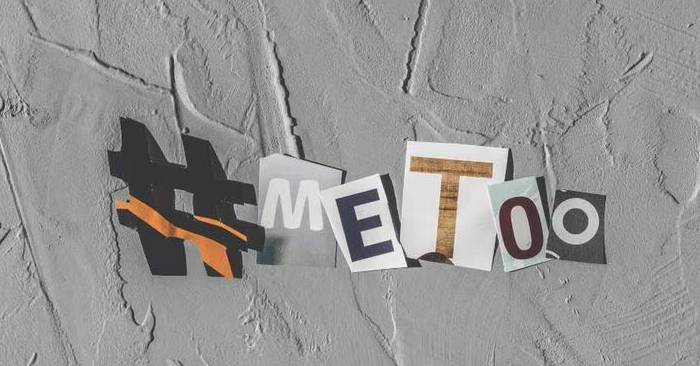
The #MeToo movement has gained significant traction in the Malayalam film industry following the release of the Justice Hema Committee report, which has ignited a nationwide debate on sexual harassment and gender inequality within Indian cinema.
The Justice Hema Committee, formed by the Kerala government, released a 233-page report detailing systemic exploitation and abuse faced by women in Malayalam cinema. The committee’s investigation was initiated after the 2017 actress assault case involving actor Dileep. The report, which had been in the works for five years, has exposed the pervasive power dynamics and exploitation in the industry, drawing widespread attention and concern.


Actor Abhishek Banerjee, reflecting on the report, expressed deep dismay, emphasizing the unacceptable nature of such exploitation and urging female artists to prioritize their safety and dignity. He highlighted his company’s policy of conducting auditions in professional settings to avoid situations that could lead to exploitation.
The release of the report comes against the backdrop of a brutal rape and murder case in Kolkata, intensifying the conversation around women’s safety. Bengali actor Ditipriya Roy and her colleague Moubani Sorcar have also voiced their concern, stressing the need for stringent laws and immediate action against perpetrators of abuse.
The Women in Cinema Collective (WCC), a key player in advocating for women’s rights in the industry, sees the report as a critical step toward dismantling unfavorable power structures. Filmmaker Anjali Menon, a WCC founding member, views the report as an opportunity to create a more equitable and progressive industry.
Jeo Baby, known for his films addressing patriarchy, described the report as a revealing account of the industry’s issues, stressing the need for serious efforts to address the problems highlighted.
In contrast, Bollywood actor Tanushree Dutta, whose allegations sparked the #MeToo movement in India, criticized the report as insufficient, reflecting her ongoing frustration with the lack of substantive progress in addressing abuse and exploitation.
Sonia Thilakan, daughter of the late Malayalam actor Thilakan, has shared her own experiences of harassment, adding a personal dimension to the conversation. She criticized the industry’s power structures and highlighted her father’s ousting from the Association of Malayalam Movie Artists (AMMA) as part of the broader issue.
Revathi and Parvathy, both prominent figures in Malayalam cinema and members of the WCC, hailed the report as a historic moment and called for the implementation of its recommendations to improve the industry.
Kannada superstar Rishab Shetty expressed support for women’s safety and emphasized the importance of creating a secure environment on film sets. Similarly, Malayalam actor Tovino Thomas acknowledged that the report, like the #MeToo movement, will encourage more women to speak out about their experiences.
Overall, the Justice Hema Committee report has sparked a crucial dialogue about gender inequality and exploitation in the Malayalam film industry, with various stakeholders calling for significant changes and increased accountability.