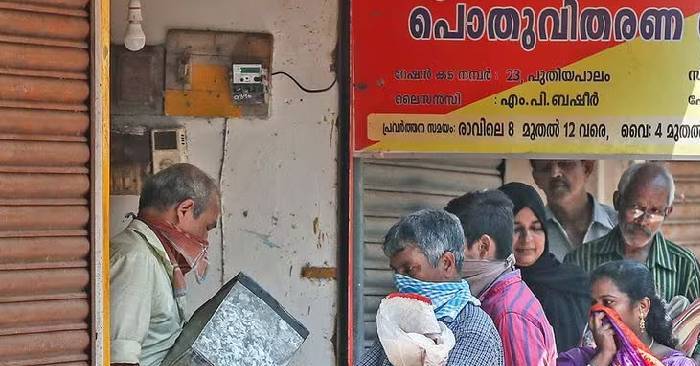
Thiruvananthapuram: Kerala is grappling with uncertainties regarding its public distribution system amid discussions about replacing food grain allocations with a direct benefit transfer (DBT) scheme. The concerns were heightened following the central government’s mandate for e-KYC verification through ration muster rolls. The state government has cautioned that food grain allocations for beneficiaries who fail to complete the e-KYC process may cease in the next financial year.
Currently, 95% of Kerala’s beneficiaries, which include 6 lakh Below Poverty Line (BPL) individuals and 32 lakh priority category members, have completed the muster roll. However, with other states lagging behind, the deadline for compliance might extend from December 31 to March 31.


Kerala is apprehensive about the DBT rollout, akin to Maharashtra’s model, where beneficiaries receive cash transfers instead of ration supplies. This shift could restrict ration distribution to priority categories, potentially leaving out non-priority groups that Kerala has historically supported with subsidized and non-subsidized food grains.
The central government has tested the DBT scheme in select locations in Maharashtra and is now implementing it in parts of Puducherry and Punjab. With the detailed data provided by muster rolls, the transition to DBT may be more feasible nationwide. However, this could disrupt Kerala’s existing distribution system and threaten the viability of ration shops.
The state is advocating for a continuation of its inclusive approach, emphasizing the risks of marginalizing non-priority groups and the broader social implications of phasing out food grain distributions.