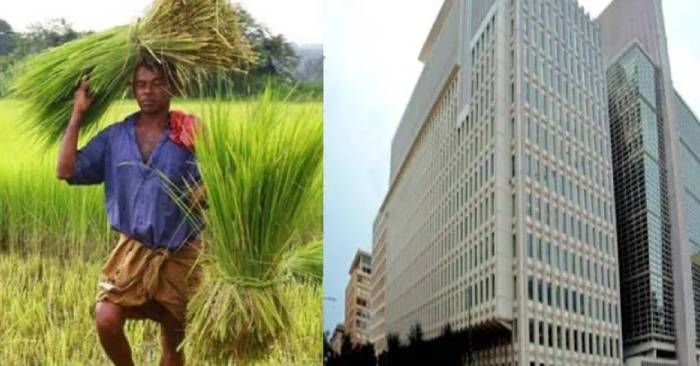
The World Bank has sanctioned a $200 million loan to bolster Kerala’s agricultural sector, aiming to equip farmers with climate-adaptive strategies and support agri-based entrepreneurship. The loan, extended through the International Bank for Reconstruction and Development (IBRD), has a 23.5-year maturity term, with a six-year grace period. Recognized as one of India’s foremost spice producers, contributing around 20% to the nation’s agri-food exports, Kerala faces significant setbacks due to climate disruptions, including floods and forest fires, which pose risks to agricultural output and market reach.
The newly launched Kerala Climate Resilient Agri-Value Chain Modernization (KERA) Project is set to support 400,000 farmers in adopting climate-smart agricultural methods, such as planting resilient varieties of crops like coffee, cardamom, and rubber. These practices aim to mitigate the effects of climate change on crop productivity. World Bank’s India Country Director, Auguste Tano Kouame, emphasized that the project would attract private sector investments and enhance agricultural value chains, providing increased support to small and medium-sized agri-businesses, particularly those led by women, who currently own only 23% of MSMEs in Kerala. Additionally, the project will help agri-based small businesses, especially those owned by women, access commercial finance through training on creating viable business plans.


By increasing the productivity of staple crops like rice while reducing greenhouse gas emissions, the project is expected to create jobs, strengthen value chains, and boost incomes for farmers in Kerala.