
A recent study by the Reserve Bank of India (RBI) has unveiled that Indian farmers earn a mere one-third of the final price for fruits and vegetables, with most of the profit being absorbed by middlemen such as wholesalers and retailers. In contrast, dairy farmers secure around 70 per cent of the final price for their products, highlighting the disparity between different agricultural sectors.
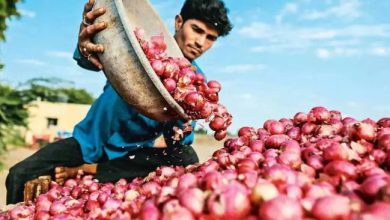
The RBI’s research further indicates that egg producers earn 75 per cent of the final price, while poultry farmers take home about 56 per cent for meat. The study also sheds light on the recurrent price volatility in key vegetables like tomatoes, onions, and potatoes (TOP), where seasonal factors like irregular rainfall or temperature extremes lead to price surges for consumers, yet farmers see little benefit. For instance, farmers earn just 33 per cent of the final consumer price for tomatoes, 36 per cent for onions, and 37 per cent for potatoes.


Similarly, farmers receive approximately 31 per cent of the final price for bananas, 35 per cent for grapes, and 43 per cent for mangoes in the domestic market. The export market, though offering higher prices for products like mangoes, sees farmers’ shares of grape prices shrink even further.
The study, co-authored by agriculture economist Ashok Gulati, emphasizes the need for the government to take steps to improve agricultural productivity and ensure price stability. Key recommendations include expanding private mandis, utilizing digital platforms like e-NAM, and establishing more cold storage facilities to manage price fluctuations effectively. It also advocates for promoting solar-powered storage options, boosting food processing capacities, and educating consumers about processed TOP products. By adopting these measures, the study suggests that farmer incomes can be improved, and the impact of price volatility on both farmers and consumers can be minimized.