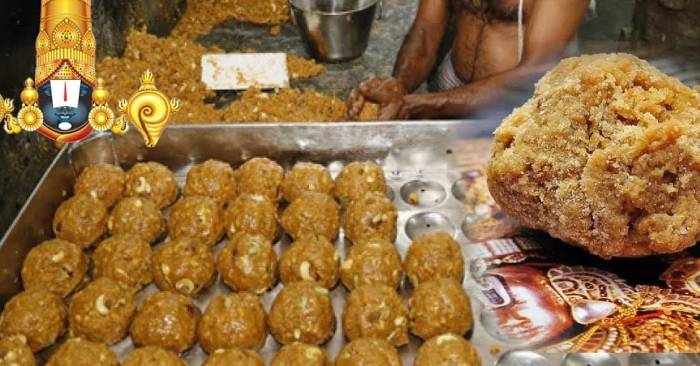
The Tirumala Tirupati Devasthanam (TTD) is renowned for its daily preparation and distribution of approximately 300,000 laddus, generating an impressive revenue of around ₹500 crore annually. These laddus, offered as prasadam at the sacred shrine of Lord Venkateswara in Tirupati, Andhra Pradesh, are beloved for their unique taste and cherished by devotees both in India and around the world.
Recently, the laddus have come under scrutiny following allegations of “animal fat” being detected in their ingredients. The TTD’s laddus, an essential offering for temple visitors, typically have a shelf life of up to 15 days when properly packaged. Available in three sizes—small (40 grams), medium (175 grams), and large (750 grams)—the small laddus are distributed free to devotees, while medium and large ones are priced at ₹50 and ₹200, respectively.


The controversy ignited when N Chandrababu Naidu accused the previous YSRCP government of adulterating the sacred laddus by using animal fat instead of pure ghee. This sparked a significant backlash from the YSRCP, with party president Jagan Mohan Reddy condemning Naidu’s remarks as harmful to the sanctity of the Tirumala temple and the faith of millions of Hindus.
Adding to the drama, a lab test conducted by the National Dairy Board in Gujarat revealed the presence of “foreign fat” in the ghee used for the laddus. According to the report, samples showed traces of beef tallow, pig fat, and fish oil. The TDP presented this lab report at a press conference, further intensifying the political feud between the TDP and the YSRCP regarding the integrity of the sacred prasadam.