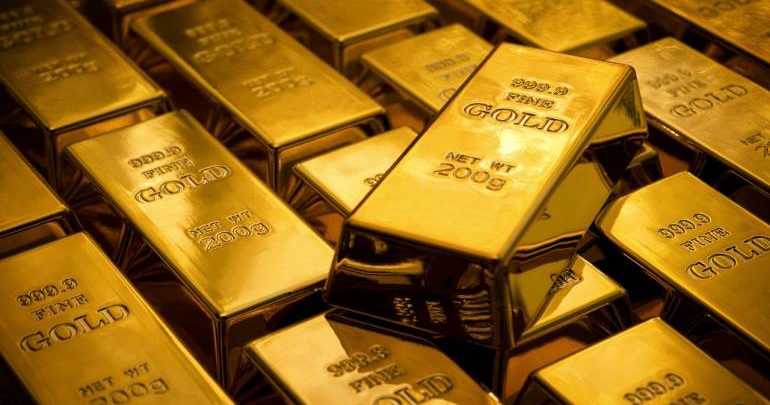
Gold has recently reached unprecedented levels, with prices touching $3,227.07 per ounce, marking a notable 22% rise so far this year. This surge is largely attributed to the renewed global demand for safe-haven assets amidst escalating economic tensions—particularly the ongoing trade conflict between the United States and China. As both nations continue to impose aggressive tariffs, financial markets have become increasingly volatile, prompting investors to turn to gold for security and stability.
Gold trading spans several global platforms, with the spot market—primarily centred in London—being the most influential. The London Bullion Market Association plays a crucial role in regulating and standardizing these trades. Other major trading centres include New York (COMEX), Shanghai, and Tokyo, with futures markets allowing investors to lock in gold prices for future transactions.


For those averse to holding physical gold, exchange-traded products (ETPs), especially gold-backed ETFs, provide exposure to price fluctuations without physical storage. In fact, 2024 witnessed a $3.4 billion inflow into gold ETFs, signaling renewed investor interest after several years.
Individual investors also continue to show interest in physical gold through bars and coins, seeking tangible assets amidst market uncertainty. However, experts caution that while gold serves as a hedge against inflation and currency volatility, it doesn’t yield regular income and may be subject to price corrections. Central banks, including China’s, have been increasing their reserves, buying over 1,000 tonnes in 2025 alone, further driving demand.
Financial advisors generally suggest incorporating gold in moderation within a diversified portfolio. While gold may offer protection during geopolitical and economic uncertainty, relying solely on it could expose investors to long-term risks.