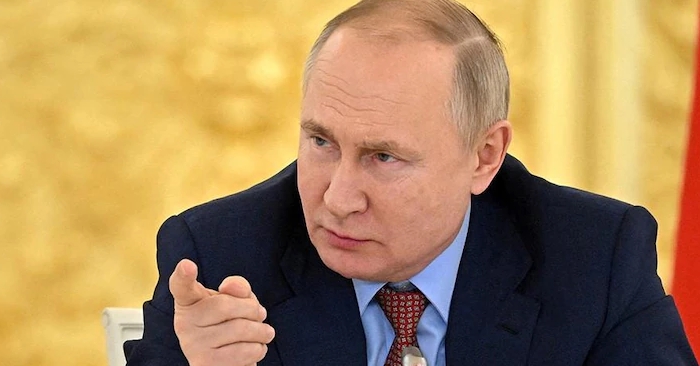
Russian President Vladimir Putin has indicated that while the idea of a common BRICS currency is a long-term goal, it is not currently on the table for the 10-member bloc. Instead, BRICS nations are focusing on expanding the use of digital currencies for trade and investment. Putin emphasized that Russia is working closely with India and other BRICS members to develop these financial instruments.
In a media interaction at his residence, Putin stated that the structural differences between BRICS economies make it necessary to adopt a cautious approach when considering a unified currency. He recommended prioritizing the use of national currencies and the creation of financial instruments like a BRICS version of the SWIFT payment system. This, he believes, would make transactions secure and reduce dependence on the US dollar, a key objective of the BRICS de-dollarisation agenda.


Putin also mentioned the development of BRICS Pay, a blockchain-based payment system designed to streamline cross-border transactions. The Russian leader highlighted the importance of digital currencies in promoting economic independence for BRICS members, especially for high-growth investment projects.
While Russia and China advocate for reducing the reliance on the US dollar, India has clarified that it does not support a full de-dollarisation strategy. External Affairs Minister S. Jaishankar reaffirmed India’s stance, emphasizing that the country will continue using the US dollar for trade where necessary. Despite differing perspectives within BRICS, the group remains committed to reforming global financial governance and challenging existing systems.
With the inclusion of Egypt, Ethiopia, Iran, Saudi Arabia, and the UAE, BRICS now represents half of the world’s population and holds significant influence over global GDP and trade. As the BRICS bloc continues to grow, its evolving financial strategies could reshape the global economic landscape.