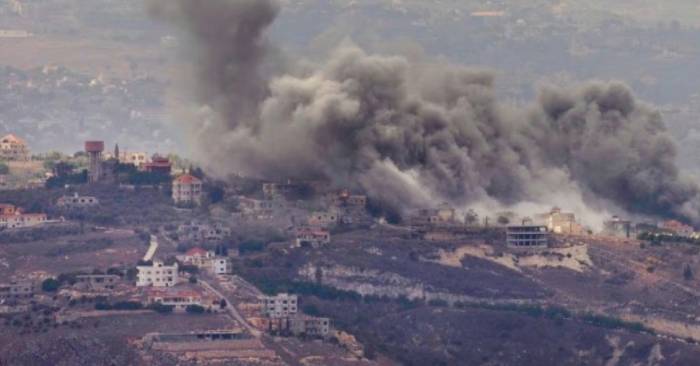
In a significant escalation of the ongoing conflict, the Israeli military reported the killing of Mohammed Hussein Surour, also known as Abu Saleh, the head of Hezbollah’s drone unit, during an airstrike on a residential building in the suburbs of Beirut. This comes amid growing tensions between Israel and Lebanon, with the Israel Defense Forces (IDF) targeting key Hezbollah figures in recent operations.
Despite international calls for a ceasefire, Israeli Prime Minister Benjamin Netanyahu firmly rejected a 21-day ceasefire proposal backed by the United States. The ceasefire plan was aimed at halting the fighting to allow for diplomatic efforts to ease tensions on the Israel-Lebanon border. Netanyahu, who arrived in New York for the annual U.N. General Assembly, reiterated Israel’s commitment to continuing its military campaign against Hezbollah “with full force” until its objectives are met. His key focus is ensuring the safe return of northern Israel’s residents to their homes.


Meanwhile, Tel Aviv was placed under high alert early Friday due to a potential missile threat from Yemen. According to Israeli authorities, a missile launched from Sana’a triggered sirens across the city. The IDF later confirmed that the missile was successfully intercepted by the ‘Arrow’ Aerial Defense System, averting any immediate danger.
The U.S., along with British and Australian officials, has been actively pushing for a 21-day ceasefire, citing the need to prevent further escalation of the conflict. U.S. Secretary of Defense Lloyd J. Austin III urged both sides to agree to the temporary ceasefire, allowing time for diplomacy and ensuring the safe return of displaced civilians in both Israel and Lebanon. However, Netanyahu’s refusal signals that the conflict is far from over, with Israel determined to continue its military operations.