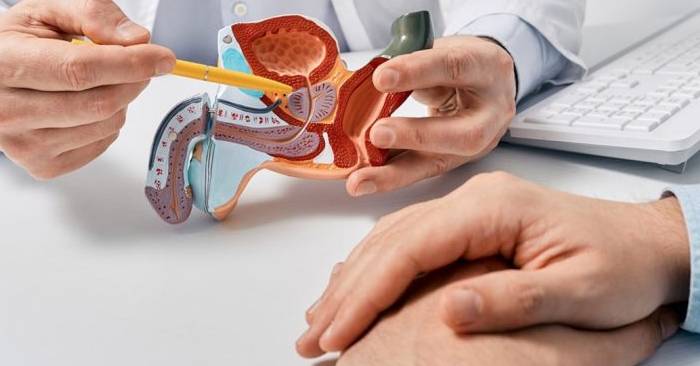
Prostate cancer, typically associated with older men, is increasingly affecting younger men in India, particularly those below 50 years. Experts report a notable rise in aggressive forms of the disease, with 37,948 Indian men diagnosed in 2022, according to the World Health Organization (WHO). Early detection is crucial for effective management, yet many cases remain undiagnosed until advanced stages.
Symptoms of Prostate Cancer
The early signs of prostate cancer can include:


Difficulty in urinating
Frequent urination, especially at night
Blood in urine or semen
Pain in the hips
Pain in the back or pelvis
Contributing Factors to the Rise of Prostate Cancer in India
Late Diagnosis: In contrast to the United States, where 80% of prostate cancer cases are diagnosed early, the situation in India is reversed. Many patients either ignore or neglect symptoms, resulting in late-stage diagnoses.
Societal Pressure: There is a significant stigma surrounding men’s health issues in India. The fear of a cancer diagnosis and societal expectations often discourage men from seeking timely medical advice, leading to delayed diagnosis and treatment.
Hereditary Genetic Syndrome: It’s essential for prostate cancer patients, especially younger ones, to undergo genetic testing for hereditary mutations. This can help identify individuals at higher risk and facilitate earlier intervention.
Treatment Options for Prostate Cancer
Treatment for prostate cancer has advanced significantly and can include:
Modern therapies such as immunotherapy and targeted therapy, often combined with radiation or chemotherapy.
Regular PSA tests and check-ups are crucial for early detection and monitoring.
Preventive Measures to Reduce Risk
To lower the risk of developing prostate cancer, individuals can adopt the following lifestyle changes:
Diet: A diet rich in fruits, vegetables, and whole grains is beneficial.
Physical Activity: Regular exercise is essential for maintaining overall health and reducing cancer risk.
Limit Red Meat and Fats: Reducing the intake of red meat and high-fat foods can contribute to a lower risk.
Avoid Smoking: Smoking cessation is vital, as it is linked to numerous health issues, including cancer.
The increase in prostate cancer among younger Indian men highlights the need for greater awareness, early diagnosis, and proactive health measures. By understanding the symptoms and risk factors, along with adopting healthy lifestyle choices, individuals can better protect themselves against this growing health concern. Encouraging open conversations about men’s health can also play a crucial role in overcoming societal pressures and stigma, ultimately leading to improved outcomes for those affected by prostate cancer.