Shallots and onions, both members of the allium family, may look and taste similar, but their distinct characteristics set them apart in the kitchen. Understanding their differences can help you choose the right ingredient for your dish, whether you want a bold or subtle flavour.
While onions are a staple ingredient worldwide, shallots offer a more delicate, nuanced taste. Shallots grow in small clusters and have a mild sweetness with a hint of garlic, making them ideal for refined dishes that require subtlety. On the other hand, onions, which come in various types like yellow, red, and white, have a more intense and pungent flavour, perfect for robust dishes such as soups, stews, and stir-fries.


In terms of texture, shallots soften into a creamy consistency when cooked, while onions hold their shape better and caramelise beautifully. This makes onions a popular choice for recipes where texture is important, like in sautés or caramelised dishes.
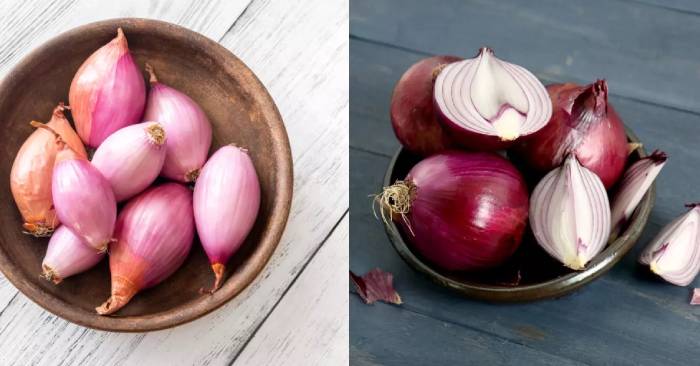
In appearance, shallots are smaller, with a teardrop shape and a light brown or grayish skin, whereas onions are larger, rounder, and come in a variety of colours. Nutritionally, both shallots and onions offer health benefits, but shallots have higher concentrations of certain vitamins and minerals, including vitamin A, magnesium, and zinc.
When to choose one over the other? Shallots work best in dressings, vinaigrettes, and dishes where you want a mild onion flavour without overpowering the other ingredients. Onions, with their bolder taste, are better suited for heartier dishes like casseroles, curries, and sauces. Keep both in your pantry to ensure you have the perfect allium for any recipe.