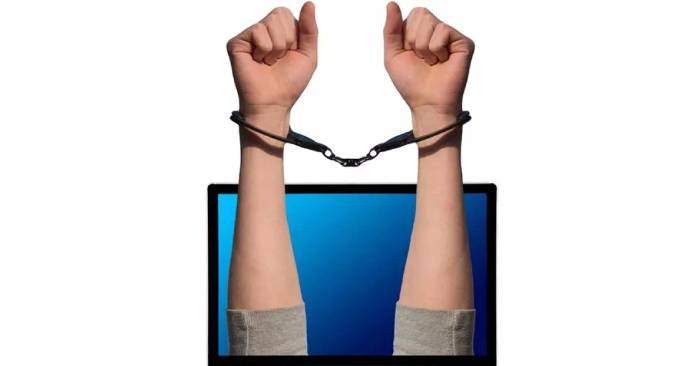
The Digital Arrest Scam is a rising online fraud that targets individuals through intimidating tactics to extract money or sensitive information. Impersonating law enforcement, government agents, or attorneys, scammers claim that their target faces imminent arrest or investigation due to a fabricated crime. They then create a sense of urgency by demanding immediate payment or access to personal details, such as bank accounts or identity information, to avoid the supposed “arrest.” These scams employ fear and urgency, making it challenging for victims to think clearly.
How the Digital Arrest Scam Unfolds:
Scammers often initiate contact through a phone call, email, or text, introducing themselves as law enforcement officials or legal representatives. They inform the victim of non-existent fines, warrants, or criminal investigations. The scam escalates as they apply high-pressure tactics, warning the victim of immediate arrest if payments or sensitive data aren’t provided. Demands are typically for untraceable payments, such as prepaid debit cards, cryptocurrency, or direct bank transfers, allowing scammers to disappear without a trace. Some even ask for Social Security numbers or other personal data, leading to potential identity theft.


How to Identify and Avoid the Digital Arrest Scam:
Awareness is your best protection against these scams. First, verify the legitimacy of any caller claiming to be from law enforcement. Real authorities will not request payments or personal information via phone, email, or text. Stay calm, remember that genuine agencies don’t accept money to avoid detainment, and avoid sharing personal information in any form over unverified communication. Be cautious with any demand for payment via prepaid cards or cryptocurrency, as these are typical red flags. For added protection, enable multi-factor authentication (MFA) on your accounts to prevent unauthorized access, even if some information is compromised.
Steps to Take If You’ve Been Targeted:
If you suspect you’ve encountered a Digital Arrest Scam, report it immediately to local law enforcement or cybercrime units. Ignore any follow-up attempts by the scammer, as engaging further can put you at greater risk. Regularly monitor your bank accounts and credit reports for unusual activity, and if you’ve shared any sensitive information, consider placing a fraud alert on your credit report.
By staying informed, cautious, and vigilant, you can protect yourself and others from the dangers of the Digital Arrest Scam and other similar frauds.