
Ginger is widely recognized for its health benefits and has been used in traditional medicine, particularly in Ayurveda. Known for its anti-inflammatory, antioxidant, and heart-health-promoting properties, ginger is often praised for its positive effects on the body and brain. However, claims circulating on social media about ginger being a lifesaver during a sudden cardiac arrest are misleading and unsupported by scientific evidence. Videos suggesting that chewing ginger can prevent heart attacks by inducing nitric oxide production and opening blocked arteries have become popular, but these claims are not medically verified.
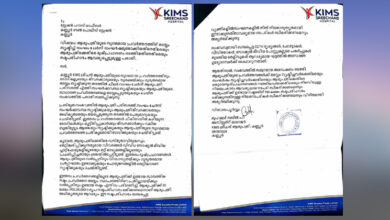
In one viral video, a man suggests that carrying a small piece of ginger could be a simple preventive measure against sudden cardiac arrest. According to the video, chewing ginger until tears begin to form supposedly helps open blocked arteries and allows the heart to function normally. However, when fact-checked, credible cardiological studies and expert opinions refute these claims. While ginger has been shown to improve heart health by reducing cholesterol, blood pressure, and inflammation, there is no scientific evidence to support the idea that chewing ginger can treat or reverse cardiac arrest.


Medical professionals emphasize that the proper response to a cardiac arrest is immediate administration of CPR and prompt transportation to a hospital for critical care. Ginger, while beneficial for general health, is not a substitute for life-saving treatments. The false notion that ginger can prevent or reverse heart attacks could delay necessary medical intervention, potentially risking a person’s life.