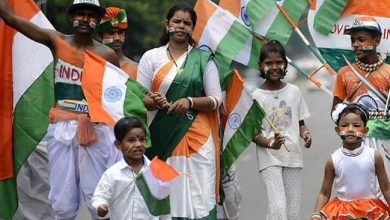
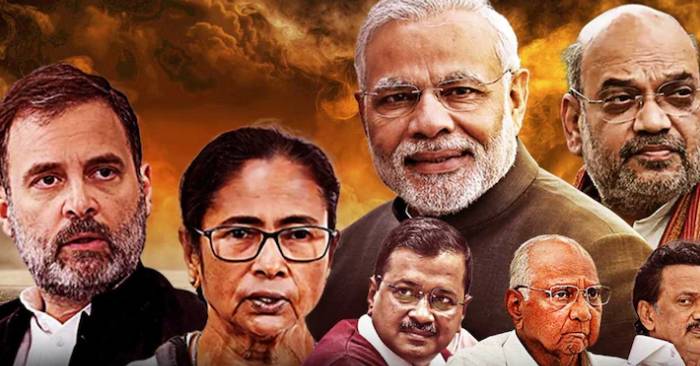
The 2024 Lok Sabha elections marked a defining moment in India’s political history, as the Bharatiya Janata Party (BJP) led by Prime Minister Narendra Modi triumphed in securing a third consecutive term. The elections, held across multiple phases, witnessed an intense and fiercely contested battle, with opposition parties such as the Indian National Congress (INC), Aam Aadmi Party (AAP), and regional players putting up strong campaigns.
The Dominance of the BJP


Despite facing growing challenges, particularly on issues such as unemployment, inflation, and agrarian distress, the BJP emerged as the dominant force in the elections. Winning a majority of seats, the party’s continued appeal among the electorate reaffirmed Modi’s leadership. The victory also demonstrated the party’s successful strategies, including the effective use of nationalism, economic reforms, and social welfare schemes to secure votes.
Challenges for the Opposition
While the BJP’s victory was clear, the opposition parties struggled to build a coherent alliance and mount a challenge. The Indian National Congress, although showing signs of rejuvenation under new leadership, could not capitalize on the public dissatisfaction with the BJP’s policies. Similarly, the AAP, which had gained ground in Delhi and Punjab, found it difficult to replicate that success at the national level. Regional parties also showed mixed results, with some like Mamata Banerjee’s Trinamool Congress (TMC) managing to secure strongholds in their respective regions, while others faltered.
A Shift in Indian Politics: The Role of Young Voters
One of the key features of the 2024 elections was the surge in young voters, who came out in large numbers to cast their ballots. This demographic shift reflects a growing interest in national politics, driven by concerns about jobs, economic opportunities, and climate change. The younger electorate leaned towards the BJP in many states, recognizing the government’s focus on infrastructure, digital technology, and youth-centric policies. However, some younger voters also rallied behind opposition parties, advocating for a change in leadership and governance.
Key Moments and Issues of the Campaign
The campaign period was marked by intense debates over key issues. Economic policies, national security, and social welfare schemes dominated the discussions. The BJP’s focus on national security and its aggressive stance on issues like terrorism, along with its ambitious economic development plans, resonated with a large section of the voters. However, opposition parties managed to raise concerns about the rising cost of living, unemployment, and the need for more inclusive development.
Impact of Regional Parties and Alliances
Regional parties played a crucial role in shaping the overall election results, especially in states where the BJP did not have a strong presence. In Uttar Pradesh, the Samajwadi Party and Bahujan Samaj Party tried to present a united front but struggled against the BJP’s well-oiled campaign machinery. In Tamil Nadu, the DMK led by M. K. Stalin secured a significant number of seats, and in West Bengal, Mamata Banerjee’s TMC remained a strong force. These regional parties, while unable to challenge the BJP at the national level, continued to hold sway in their states.
The Road Ahead: What’s Next for India?
With the BJP’s victory, Prime Minister Modi will continue to steer the country through his vision of economic reform, infrastructural development, and global diplomacy. The party is expected to further focus on issues such as job creation, healthcare, and national security in the coming years. However, opposition parties must now regroup and rethink their strategies, particularly by focusing on regional issues, internal party unity, and offering a clear alternative to the BJP’s dominance.
As India celebrates this historic win, the results have not only reshaped the political landscape but have also set the stage for the country’s future trajectory. How Modi’s government will address the challenges ahead—economic, social, and geopolitical—remains to be seen. Nonetheless, 2024 has marked a new chapter in Indian democracy, one where the balance of power continues to shift, but the promise of change remains at the forefront.
Conclusion
India’s 2024 Lok Sabha election results are a testament to the enduring power of the democratic process. As the BJP continues to hold sway, the election results have not only reflected the current political mood but also highlighted the importance of youth participation and regional dynamics in shaping the future. Whether the opposition can rise to challenge the BJP in future elections remains to be seen, but for now, India has spoken decisively, and the results will shape the nation for years to come.
This election victory signals the continuation of Narendra Modi’s leadership, but also poses critical questions about the future direction of Indian politics and governance.