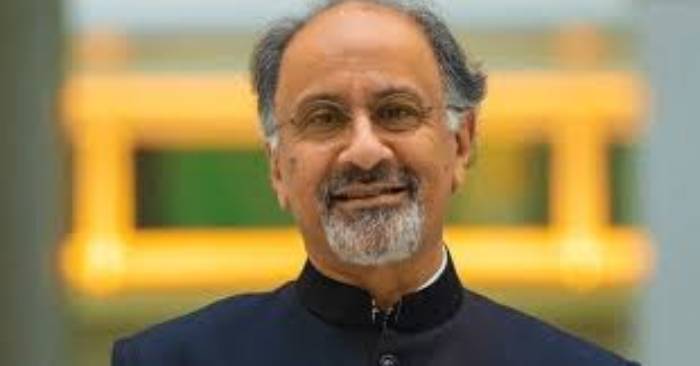
India has significant potential to accelerate its economic growth from the current 6% to 8% annually, according to World Bank Chief Economist Indermit Gill. India enjoys several strategic advantages, including a favorable demographic profile, low private sector debt, and a robust domestic market. However, achieving this ambitious growth rate requires targeted structural reforms to enhance efficiency and expand economic freedom.
Gill identifies critical global economic challenges, emphasizing distinct issues faced by advanced, middle-income, and low-income nations. While advanced economies grapple with slowing productivity and aging populations, middle-income nations, like India, face the “middle-income trap” characterized by insufficient growth to match living standards of advanced nations. India stands out due to its balanced economy, favorable demographics, and significant opportunities for foreign investment amid global shifts. Yet, external challenges like global protectionism and internal inefficiencies in capital and energy use need urgent attention.


The economist highlights key strategies for India, including fostering private investment, enhancing secondary and higher education, leveraging female and disadvantaged workforce participation, and embracing foreign trade and technology. Furthermore, India must address high tariffs and restrictive service policies to attract foreign investments.
By maintaining a focus on infrastructure and human capital development, along with adopting inclusive legislation to integrate women and marginalized communities into the workforce, India can utilize its peak potential period to achieve transformative growth and realize the vision of Viksit Bharat by 2047.