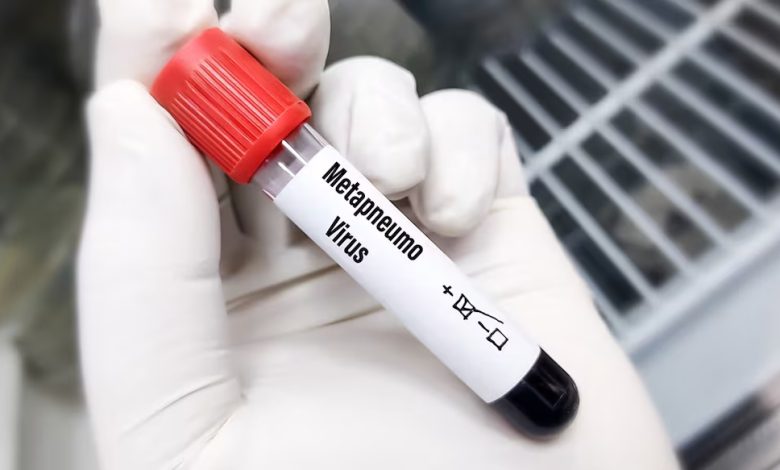
The global health landscape faces another challenge as Human Metapneumovirus (HMPV) emerges as a concern, particularly in China and Hong Kong. Nearly five years after the COVID-19 pandemic, HMPV has garnered attention, with reports of cases prompting cautious measures in neighboring countries. Although the World Health Organization (WHO) has yet to officially confirm China’s declaration of a health emergency, India’s health officials, including Kerala’s Health Minister, have recommended mask usage for the elderly and pregnant women in public spaces. While there is no immediate cause for alarm, vigilance is advised.
What is HMPV?
Human Metapneumovirus, first identified in 2001, is a respiratory virus that can affect people of all ages, with children under five and the elderly being particularly vulnerable. The virus is most active in winter and can lead to symptoms like a runny or congested nose, sore throat, wheezing, and fever. Severe cases may progress to bronchitis or pneumonia, especially in individuals with compromised immune systems or those who have previously battled COVID-19. HMPV has an incubation period of 3–6 days and spreads through respiratory droplets, physical contact, and touching contaminated surfaces.


Precautions to Prevent HMPV
Wash hands with soap and water for at least 20 seconds.
Wear masks in crowded or public spaces.
Cover your nose and mouth when sneezing or coughing.
Avoid touching your face with unclean hands.
Similarities to COVID-19
Although HMPV and SARS-CoV-2 belong to different viral families, they share similarities in transmission and symptoms. Both viruses primarily target the respiratory system, spreading through contact and droplets, and cause symptoms such as fever, cough, sore throat, and wheezing. Vulnerable populations, including the elderly and those with weakened immune systems, are at higher risk.
While HMPV is not as severe or novel as COVID-19, maintaining hygiene practices, wearing masks, and social distancing can effectively minimize the risk of infection. With no available antiviral therapies or vaccines for HMPV, preventive measures remain the best defense against this virus.