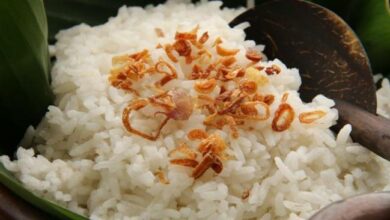
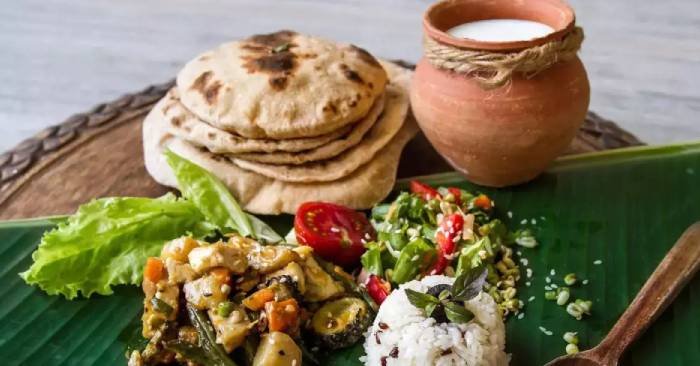
Mauni Amavasya 2025, observed on 29th January, is a day of profound spiritual significance, marked by fasting, silence, and honoring one’s ancestors. This sacred day falls during the new moon and is associated with purification rituals, including bathing in holy rivers such as the Ganges. As part of the observance, a Sattvic diet is followed, focusing on foods that promote inner peace and physical purity. Devotees also refrain from eating food prepared outside their homes, as it is believed to transfer their good fortune to the person who cooks.
Food Traditions of Mauni Amavasya
On this day, the fasting tradition may include a strict Sattvic diet designed to purify the body and align with spiritual practices. Foods consumed on Mauni Amavasya should be light, easily digestible, and free from tamasic elements, which can hinder meditation and prayer. Traditionally, ingredients like sesame and jaggery are included as energizing foods, often in the form of a simple rice kheer.

Foods to Eat on Mauni Amavasya
Fresh Fruits: Ayurveda encourages the consumption of ripe, sweet fruits like bananas, mangoes, and grapes, which provide natural energy and are easy on the digestive system.
Dairy Products: Fresh and simple dairy products, such as yogurt, buttermilk, and lassi, offer a healthy protein source while maintaining the purity of the fast.
Millets: Samak rice (barnyard millet) is a favored grain for this occasion, valued for its purity and nutritious properties.
Dry Fruits and Nuts: Almonds, cashews, and raisins provide an excellent source of energy, especially when consumed in moderation.
Foods to Avoid on Mauni Amavasya
Non-Vegetarian Food: All forms of meat, fish, and eggs are strictly avoided, as they are considered tamasic and heavy for both the body and mind.
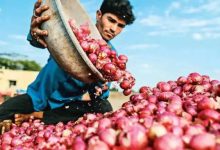
Onions and Garlic: These ingredients are excluded due to their stimulating properties, which may disrupt spiritual focus and meditation.
Processed Foods: Packaged snacks and ready-made meals should be avoided, as they often contain artificial additives and preservatives that conflict with the principles of a pure, Sattvic diet.
By adhering to these dietary guidelines, devotees not only honor their ancestors but also maintain a state of mental clarity and physical purity on this sacred day.