
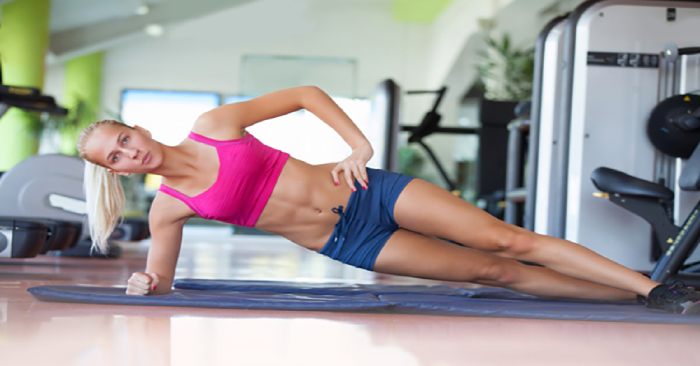
Planks are one of the most effective exercises for building core strength, improving posture, enhancing stability, and preventing injuries. This simple yet powerful workout engages multiple muscle groups, including the abdominals, shoulders, back, and glutes. With various plank modifications, such as side planks, rotational planks, and dynamic variations, this exercise can be tailored to different fitness levels. However, the standard forearm plank remains the most commonly practiced form, where you balance on your forearms while maintaining a straight posture from head to toe.
According to Harvard Health, planks should be held for about 10 to 30 seconds per set, focusing on maintaining proper form rather than overextending duration with poor technique. Multiple short sets with correct posture yield better results than a prolonged hold with improper alignment. Planks can be done daily, on alternate days, or even during work breaks to maintain core strength and stability.


Steps to Perform a Perfect Plank:
- Lie face down on a mat or a firm, non-slippery surface.
- Position your forearms on the floor with elbows aligned under your shoulders.
- Extend your legs straight behind you, keeping your feet close together.
- Lift your body, ensuring a straight alignment from head to feet.
- Engage your core, keeping your hips level—avoid sagging or lifting them too high.
- Maintain normal, steady breathing while keeping your gaze downward.
- Hold the position for 10 to 30 seconds before lowering your body.
- Rest for 30 seconds and repeat for two to three sets, depending on your endurance.
Modifications for Beginners and Advanced Variations:
If a full plank feels too challenging at first, start with a knee plank, which reduces strain while still building core strength. Alternatively, a straight-arm plank (push-up position) can be an option for those uncomfortable with resting on their forearms.
Once you’ve built strength, you can progress to advanced variations like:
- Side planks for oblique engagement
- Planks with shoulder taps to improve stability
- Spiderman planks for enhanced mobility
- Plank jacks for a cardio boost
- One-arm or one-leg planks for an extra challenge
Incorporating planks into your fitness routine can lead to improved endurance, better posture, and reduced risk of injuries. Whether you’re a beginner or an advanced fitness enthusiast, mastering this simple yet effective exercise can provide long-term benefits for your overall strength and well-being.