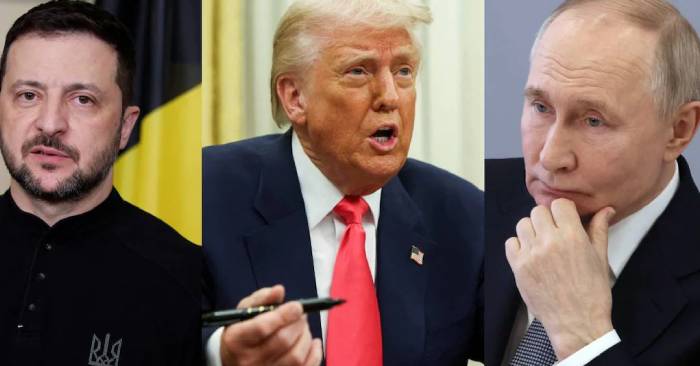
In a significant development amid the ongoing conflict, Russia and Ukraine have agreed to a 30-day suspension of strikes on critical energy infrastructure. Additionally, both nations have reached an understanding regarding Black Sea navigation, aiming to ensure the smooth transport of grain and fertilizers. These agreements mark a potential step toward easing tensions in the protracted war.
On Tuesday, the Kremlin confirmed that the ceasefire on energy targets was brokered with US mediation and will take effect from March 18. The truce covers vital infrastructure such as oil refineries, nuclear power plants, fuel storage units, gas pipelines, power stations, and hydroelectric dams. Any violation by either party would nullify the agreement, allowing the other to resume attacks. Ukrainian President Volodymyr Zelenskiy also acknowledged that his government had submitted a list of key energy sites to be safeguarded under this arrangement.


Beyond the ceasefire on energy infrastructure, Moscow and Kyiv, with the involvement of US negotiators, finalized a Black Sea maritime security deal. Russian Foreign Minister Sergei Lavrov emphasized that the agreement is crucial for stabilizing global grain and fertilizer markets, ensuring that Moscow remains an active participant while also addressing food security concerns in Africa and other vulnerable regions. Lavrov reiterated that Russia seeks fair competition rather than economic isolation in these critical markets.
Despite these agreements, Lavrov expressed skepticism about the potential for a full-scale ceasefire. He suggested that Ukraine’s European allies might pressure Kyiv against making significant concessions. Nevertheless, he acknowledged that the US administration under Donald Trump appears intent on de-escalating tensions. However, Lavrov maintained a cautious stance regarding Washington’s role, referencing former US President Ronald Reagan’s famous principle: “Trust, but verify.”
While these temporary agreements may not signal an immediate end to the conflict, they represent a diplomatic breakthrough, creating an opportunity for further negotiations and potential long-term solutions.