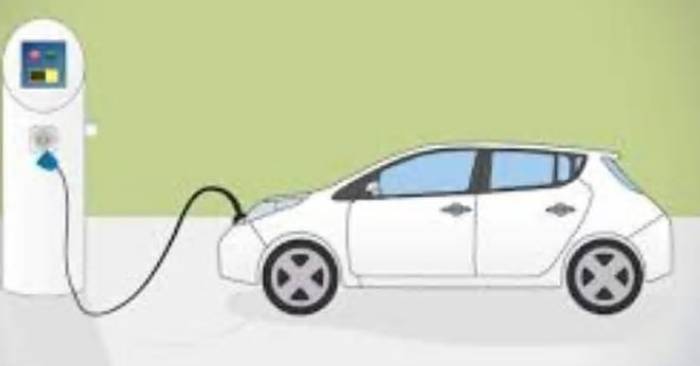
India has taken a significant step toward electric vehicle self-reliance with the development of a high-efficiency wireless EV charger. Spearheaded by the Centre for Development of Advanced Computing (C-DAC), Thiruvananthapuram, in collaboration with VNIT Nagpur, this 1.5 kW charger can wirelessly replenish up to 90% of a 4.8 kWh battery within just three hours. Designed to run on a standard 230V single-phase power supply, the charger leverages Silicon Carbide-based MOSFETs operating at 88 kHz, achieving a notable 89.4% efficiency even with a 12.5 cm coil gap. This development, initiated under the National Mission on Power Electronics Technology (NaMPET), represents a huge win for the government’s Make in India initiative.
The charger is built with modern safety features like short-circuit and open-circuit protection, ensuring safe and consistent energy delivery. It’s a key component in India’s growing electric mobility ecosystem and reflects the Ministry of Electronics and Information Technology’s push for sustainable, homegrown solutions. With the technology transfer handed over to Global Business Solution Private Limited, the charger is now ready for commercial production, paving the way for mass-scale deployment across the country’s EV infrastructure.


Beyond this milestone, C-DAC has also inked agreements to support broader electrification and sustainability goals. A key MoA with Indian Railways’ Chittaranjan Locomotive Works aims to build an Indian propulsion system for electric trains. Simultaneously, a new MoU with Kerala’s K-DISC will introduce a 48V LVDC system expected to cut energy use by up to 30%. These initiatives align with Kerala’s Carbon Neutrality Roadmap for 2050 and India’s broader Net Zero mission by 2070. MeitY Secretary Krishnan emphasized that indigenous advancements in power electronics are central to India’s future in green mobility and energy independence.