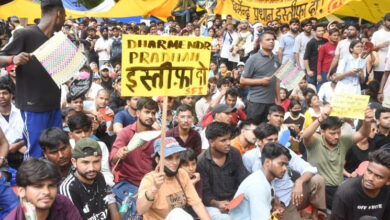
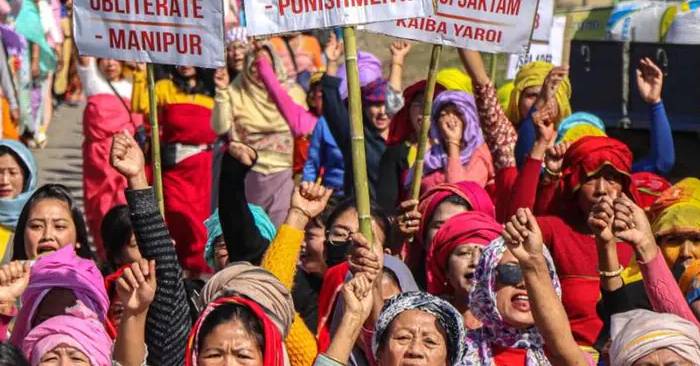
Manipur continues to grapple with unrest, even two years after the ethnic violence that shook the northeastern state. Considered one of the most brutal ethnic clashes in India’s recent history, the conflict erupted on May 3, 2023, and has since left lasting scars on the region. The initial spark was a protest march led by the All Tribal Students’ Union of Manipur against a Manipur High Court order recommending Scheduled Tribe (ST) status for the Meitei community—a move opposed by the Kuki tribe and other hill communities.
What began as a peaceful demonstration quickly escalated into violent clashes between the Meitei and Kuki groups, engulfing large parts of the state in chaos. Homes, including that of Chief Minister N Biren Singh, were torched, and vehicles were set ablaze. Leaders from both communities were accused of fuelling the conflict from hiding.


Despite repeated refusals to step down initially, the unrelenting violence eventually forced CM N Biren Singh to resign. As of November 22, 2024, official reports confirm at least 258 deaths and the displacement of over 60,000 people. The central government imposed President’s rule, but even now, peace has not been fully restored.
On the second anniversary of the unrest, Kuki groups have declared the day as a “Separation Day,” underscoring the lingering divisions. In response, authorities have tightened security measures across sensitive areas to prevent further incidents. Manipur remains on edge, its wounds far from healed, as the nation reflects on the devastating consequences of unchecked ethnic polarization.