Many people are advised to avoid meat, including chicken and fish, especially after recovering from health conditions like jaundice. Others may follow strict vegetarian or restricted diets due to personal or medical reasons. A common problem for such individuals is not getting enough protein, which often results in feeling hungry soon after meals due to a lack of satiety.
But there’s good news — you don’t need to depend on meat or eggs alone for your protein intake. Several plant-based and dairy alternatives can provide ample protein to support your body’s needs.


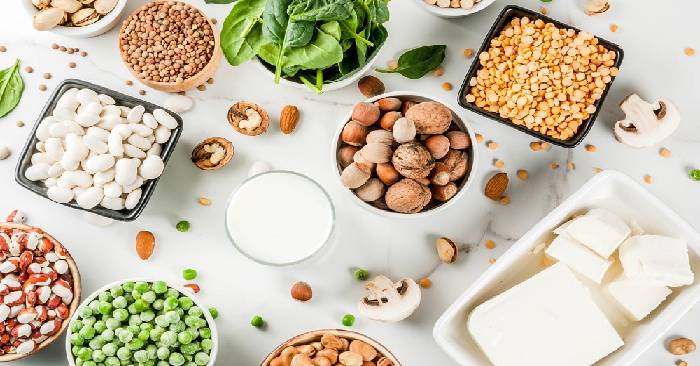
Legumes are among the best vegetarian sources of protein. Include lentils, chickpeas, green peas, black-eyed peas, and split pulses in your meals regularly to meet your daily requirements.
Greek yogurt is another excellent protein-dense food, making it ideal for breakfast or snacks. Likewise, cheese contains a significant amount of protein and can be included in a vegetarian diet in moderation.
If you enjoy paneer, you’re in luck — 100 grams of paneer contains about 18–20 grams of protein, making it an ideal addition to meals.
Nuts and seeds also provide powerful protein boosts. For instance, 100 grams of peanuts offer 25 grams of protein, and almonds provide about 21 grams. Similarly, chia seeds and flaxseeds are rich in both protein and healthy fats, making them great for smoothies or toppings.
By including these foods, even those who avoid chicken and eggs can maintain a balanced, protein-rich diet that supports recovery and overall well-being.