As the body ages, many individuals experience a noticeable decline in physical fitness, often accompanied by fatigue, weight gain, and reduced bone strength. This can be an unsettling change for those who once enjoyed an active lifestyle. With ageing comes a natural reduction in hormone levels and a decrease in bone density, which increases the risk of falls, fractures, and chronic conditions. However, health experts suggest that these effects can be significantly managed—and even reversed—with the right lifestyle changes.
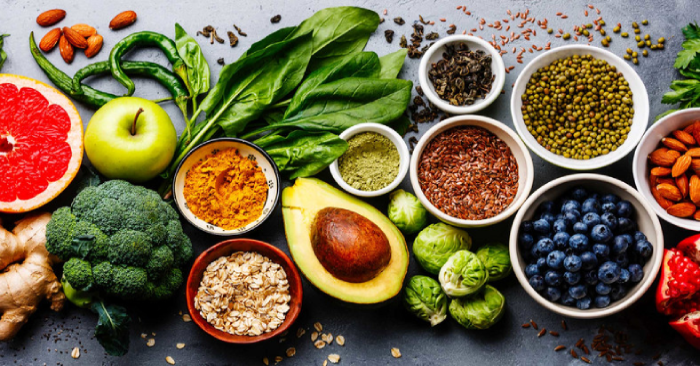
A combination of regular exercise and dietary adjustments can make a remarkable difference. In particular, adopting the Mediterranean diet has proven beneficial for people over the age of 55. This diet emphasizes fresh vegetables, fruits, whole grains, legumes, nuts, and healthy fats such as extra virgin olive oil and omega-3-rich foods. While poultry and fish are included, they are consumed in moderation.


This nutrient-rich eating pattern has been linked to a reduced risk of heart disease, diabetes, memory decline, depression, and certain cancers, including breast cancer. A study involving 924 individuals aged 55–75 in Spain revealed that women who followed a calorie-controlled Mediterranean diet and engaged in resistance and balance training experienced both weight loss and improved bone density within a year.
Ultimately, transitioning to a Mediterranean diet along with moderate physical activity can help seniors regain vitality, support cognitive health, and promote a longer, healthier life.