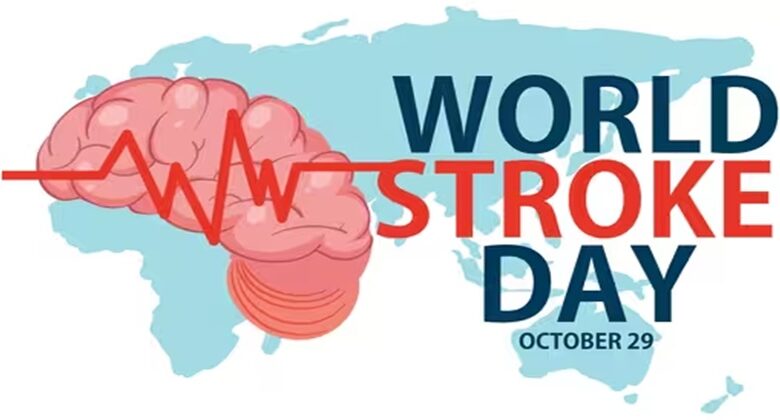
Every year, October 29 is celebrated as World Stroke Day, a day to raise awareness and push for action, led by the World Stroke Organisation. Stroke is common, fast, often treatable and surprisingly preventable. The World Stroke Campaign uses the day as a springboard for year-round messages about spotting symptoms quickly and reducing risk across communities. This isn’t just an “old people’s” problem anymore; the campaign’s 2025 materials again stress rapid action and prevention.
A stroke is essentially a “brain attack.” Either blood suddenly stops reaching part of the brain (an ischemic stroke) or a blood vessel in the brain bursts (a hemorrhagic stroke), and brain cells begin to die in minutes. Recent regional evidence shows the proportion of strokes occurring in younger adults (often defined as <50 or 15–39 years in studies) is rising in South and Southeast Asia.


According to the data, factors like hypertension, diabetes, smoking, dyslipidaemia and alcohol are frequently found in younger stroke patients. In some cases, roughly 10–15% of ischemic strokes occur in young adults, and among those admitted, hypertension and diabetes are often the leading contributors. Socio-economic shifts, urban lifestyles, rising diabetes/hypertension at earlier ages, undetected rheumatic heart disease in certain regions, and environmental triggers like air pollution are all reasons.
Practical ways young adults can cut stroke risk
1. Hypertension and diabetes are the top modifiable risks. Get your blood pressure and fasting glucose checked at least once a year if you’re 30+, sooner if you have a family history.
2. Quit tobacco: Smoking sharply raises stroke risk even in younger adults. If cold turkey is hard, try structured cessation help (counselling + nicotine replacement) as it doubles your chances of quitting.
3. Move like you mean it: 30–45 minutes brisk walk, cycling or structured exercise most days lowers blood pressure, improves insulin sensitivity and trims belly fat, which is all stroke-protective.
4. Ease up on the booze: Heavy episodic drinking is linked to stroke. For men, keep to moderate levels; for women, be even more cautious. If bingeing is the pattern, look for support; your blood vessels will thank you.
5. Swap deep-fried snacks for roasted options, choose whole grains over refined, eat legumes and fish, and cut back on salt. Small swaps reduce stroke risk over the years.
6. Know your cholesterol and treat it if high: High LDL (bad cholesterol) drives atherosclerosis. If tests show high cholesterol, diet helps, but so do statins when prescribed. Discuss risk with your doctor.
7. Persistent short sleep or untreated sleep apnoea raises blood pressure and stroke risk. If your partner says you stop breathing at night, get evaluated.
8. Chronic stress, burnout and untreated depression are linked to poorer heart health. Mindful breathing, short walks, therapy or structured stress management are practical ways to reduce risk.