
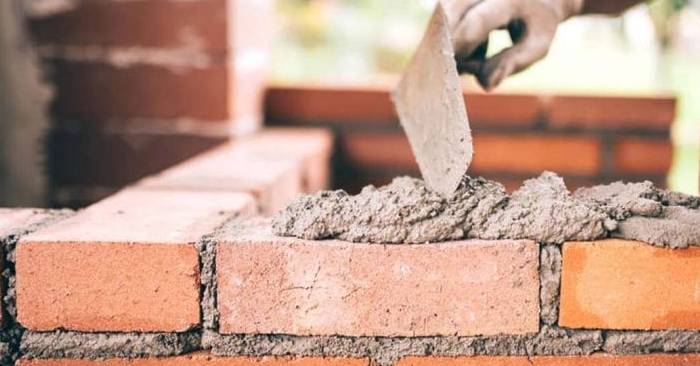
Constructing a home is a deeply cherished milestone, often representing the culmination of years of savings and planning. While families invest significant time and resources to ensure durability, certain construction flaws—like damp walls or cracks—can still emerge. A common issue lies in the incorrect mixing of cement, sand, and aggregate. Many homeowners are unaware that even minor variations in mixing ratios can lead to compromised building strength. Contractors or workers may prioritize convenience over accuracy, leading to issues in the final structure. Understanding the recommended engineer’s ratios for mixing these materials can provide peace of mind and improve the quality and resilience of the build.
Concrete Mixing Ratios
The standard cement-to-sand-to-aggregate ratio for regular construction is 1:1.5:3, known as the M-20 mix, following IS-10262-2009 standards. For consistency, using a measured container (like a 1-foot box) is recommended to maintain this ratio accurately on-site. For larger, multi-story projects, the M-25 mix ratio of 1:1:2 is suggested.


Mortar Mix Ratios
For plastering, different cement-to-sand ratios are needed based on location and requirements. For ceilings, a stronger 1:3 ratio is advised due to gravitational stress. For exterior walls, 1:4 is recommended, while internal walls require a slightly weaker 1:5 ratio. Plaster thickness should generally be at least 12 mm to ensure longevity.
Compaction and Water Quality
Proper use of a vibrator ensures thorough compaction, avoiding voids within the concrete (also known as honeycombing) that can lead to early deterioration. Water quality also plays a significant role; saline or iron-rich water can weaken the mix through chemical reactions, so potable water is preferred.
Roof Screeding and Water Management
To prevent leaks and water logging, an additional mortar layer (screeding) with a taper from 3 inches to 1 inch is applied on the roof, guiding water away and reducing dampness risks. Moderate water usage keeps the mix workable without compromising strength, while chemical additives can be used in small amounts to enhance consistency without weakening the mix.
With these ratios and techniques, families can ensure their dream home stands strong for years to come.