Thiruvananthapuram: Kerala is witnessing a concerning surge in infectious diseases, prompting the Health Department to intensify monitoring and prevention efforts. The primary focus is on leptospirosis, dengue, and hepatitis, with a dedicated special committee being formed to study and curb the spread of these illnesses.
Leptospirosis Cases Escalate
Official data indicates that leptospirosis has claimed 339 lives, with 187 deaths confirmed by the government. In the past 11 months, over 5,000 individuals have been treated for the disease, and 3,043 cases have been verified. Experts emphasize early diagnosis as delays exacerbate the condition. Symptoms include high fever, muscle pain, headaches, and red eyes. People exposed to contaminated water are advised to take preventive doxycycline tablets and avoid contact if they have open wounds.


Dengue Outbreak Worsens
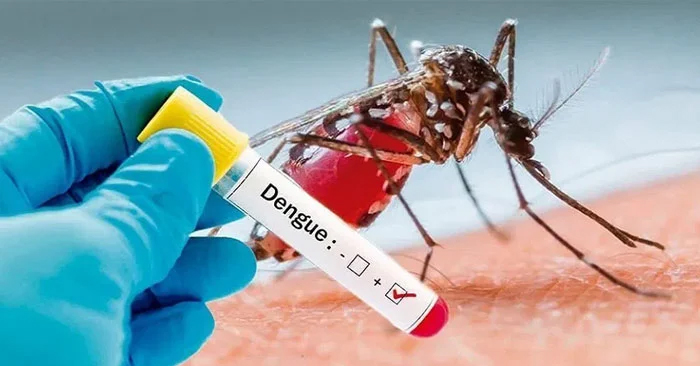
Dengue has resulted in 129 fatalities this year, with 71,035 individuals seeking treatment. The ongoing rains have heightened the need for mosquito control measures. Local authorities are rolling out targeted actions to mitigate mosquito breeding.
Hepatitis A Adds to the Crisis
Hepatitis A has caused 84 deaths this year, with 6,600 confirmed cases and over 24,681 people treated. Contaminated water, often polluted with feces, remains a primary transmission route.
Disease Overview for 2024 (Treatment Cases and Deaths):
- Dengue: 71,035 cases, 129 deaths
- Leptospirosis: 5,399 cases, 339 deaths
- Hepatitis A: 24,681 cases, 84 deaths
- Others: Malaria (5 deaths), Chickenpox (16 deaths), Typhoid (18 deaths), and West Nile (8 deaths).
The Health Department has urged the public to adhere to hygiene and safety guidelines, ensuring a collective effort to control the outbreak and protect lives.