
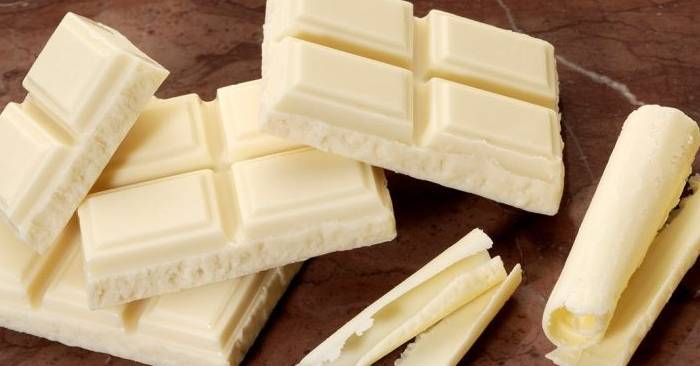
Chocolate is an indulgence loved by many, offering a diverse range of flavors and textures to suit different tastes. Whether you prefer the rich intensity of dark chocolate, the creamy sweetness of milk chocolate, or the smooth and buttery essence of white chocolate, each variety has its own distinct appeal. However, there has been an ongoing debate over whether white chocolate qualifies as “real” chocolate. Let’s explore the differences between these popular chocolate types to help you understand their unique characteristics.
Dark Chocolate: The Healthiest Option?
Dark chocolate is often considered the most sophisticated and health-conscious choice. Made primarily from cocoa solids, cocoa butter, and sugar, it typically contains little to no milk solids. The cocoa content in dark chocolate can range from 50% to over 90%, giving it a deep, intense flavor that many appreciate. With its high antioxidant content, dark chocolate is known for its potential health benefits, including stress relief and heart health support.


Dark chocolate is also a versatile ingredient, often paired with fruits, nuts, and even savory elements to create complex flavor combinations. It is widely used in ganache, truffles, and chocolate sauces due to its rich and bold taste.
Milk Chocolate: A Classic Favorite
Milk chocolate is a universally loved variety, known for its smooth, creamy texture and balanced sweetness. Made with cocoa solids, cocoa butter, sugar, and milk solids, it offers a milder and less bitter flavor compared to dark chocolate. This chocolate type is particularly popular among children and those who prefer a sweeter, more comforting taste.
While milk chocolate does contain some antioxidants from cocoa, it has a higher sugar and fat content, making it less beneficial for heart health. Despite this, its creamy consistency and well-rounded taste make it a favorite for candies, cakes, and confectionery delights.
White Chocolate: A Sweet Delight or a Chocolate Imposter?
Unlike dark and milk chocolate, white chocolate does not contain cocoa solids, which raises questions about whether it should be considered “real” chocolate. Instead, it is made from cocoa butter, sugar, milk solids, and vanilla, giving it a smooth, buttery texture and a distinctively sweet taste.
Although white chocolate lacks the rich antioxidants and flavonoids found in dark chocolate, it remains a beloved choice for those who enjoy a sweeter, more indulgent treat. It is frequently used in baking, desserts, and confectionery items due to its creamy consistency and ability to blend well with other flavors.
Which Chocolate Should You Choose?
Ultimately, the best chocolate depends on your personal preference and dietary considerations. If you seek a rich and bold flavor with potential health benefits, dark chocolate is the ideal choice. For a balanced, creamy indulgence, milk chocolate is the go-to option. And if you have a sweet tooth and enjoy a buttery texture, white chocolate is perfect for satisfying your cravings.
Whichever variety you prefer, enjoying chocolate in moderation can be a delightful and rewarding experience!