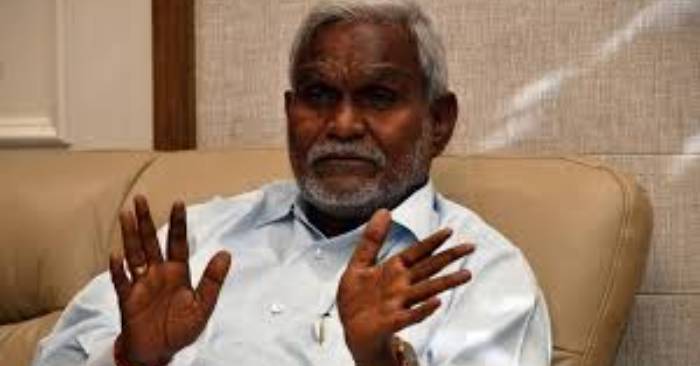
Champai Soren, a prominent political figure in Jharkhand known as the “Kolhan Tiger,” has resigned from the Jharkhand Mukti Morcha (JMM) and joined the Bharatiya Janata Party (BJP). This significant political move, announced on August 28, 2024, represents a pivotal moment in Jharkhand’s political landscape, potentially reshaping the state’s electoral dynamics as it heads into the next election cycle.
Champai Soren’s resignation from JMM is driven by his frustration with the party’s leadership under Chief Minister Hemant Soren. Soren, a seven-term MLA representing the Saraikela constituency, cited dissatisfaction with Hemant Soren’s leadership and the party’s internal conflicts as reasons for his departure. His exit from the party comes in the wake of significant turmoil within the JMM, including allegations of corruption against Hemant Soren, who was recently arrested on money laundering charges by the Enforcement Directorate.


The resignation of Champai Soren, a well-regarded advocate for tribal rights, underscores a broader shift within JMM. Once a champion of tribal issues, the party is now perceived as focusing on consolidating power among a select few loyalists, alienating many within its traditional support base. Soren’s departure exposes deep divisions within the party and challenges the leadership of Hemant Soren, highlighting the growing discontent among senior leaders and grassroots supporters.
Champai Soren’s alignment with the BJP is expected to provide a significant boost to the party’s efforts to expand its influence in Jharkhand. Known for his strong reputation and extensive connections in the Kolhan and South Chota Nagpur regions, Soren brings valuable political assets to the BJP. His shift is likely to fragment the tribal vote, potentially giving the BJP an edge in key constituencies.
Soren’s endorsement of the BJP’s stance on issues such as illegal immigration, particularly his concerns about Bangladeshi infiltration, adds another dimension to his defection. This alignment with the BJP’s positions is expected to resonate with tribal voters and enhance the party’s appeal in the state.
In response to Soren’s departure, the JMM’s leadership has been notably restrained, failing to address the concerns raised by Soren and other senior leaders. The party’s reliance on dynastic politics and its failure to nurture new leadership could further destabilize it, leaving it vulnerable to additional defections and internal dissent.
As Jharkhand approaches its next electoral battle, Champai Soren’s move to the BJP is poised to significantly impact the state’s political dynamics. For the BJP, this development offers a strategic advantage, potentially bolstering its position among tribal communities and increasing its chances in the upcoming elections. For the JMM, Soren’s resignation highlights the internal vulnerabilities and challenges facing the party under Hemant Soren’s leadership.