
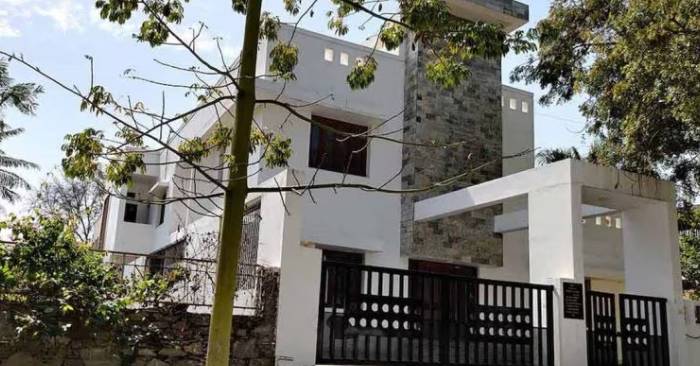
When constructing a compound wall around a home, many people primarily focus on durability and security, often neglecting the principles of vaastu shastra. Vaastu shastra, an ancient Indian system of architecture, emphasizes harnessing positive energy through the alignment and design of structures. While building a sturdy compound wall and gate is essential, considering vaastu principles can ensure a harmonious balance of energies.
The entrance gate of a home plays a crucial role, much like the main door, by controlling the flow of energy between the interior and exterior spaces. According to vaastu shastra, the gate should not only complement the design of the compound wall but also align with specific rules to enhance positive energy. For instance, automatic or electric gates have become popular for security, but it’s still essential to follow vaastu guidelines regarding their installation and function.


Key vaastu tips for constructing compound walls and gates include: building the wall taller and wider on the southwest side to block harsh sunlight, while ensuring the construction begins from the southwest corner. The gate should be positioned thoughtfully, avoiding the south side or extreme corners, and must open inwards with a clockwise motion. Additionally, the gate should operate quietly, as noisy gates are considered inauspicious.
There should be no obstructions, like trees or pillars, directly in front of the gate, unless these are positioned at a distance twice the height of the house. Importantly, the compound wall must not entirely conceal the house, as this could block the inflow of positive energy. By following these vaastu guidelines, homeowners can not only enhance safety but also promote peace and prosperity.