As the world celebrates World Tourism Day on September 27th, 2024, the emphasis is shifting towards sustainable tourism that benefits both local communities and the environment. This year, the global discussion surrounding tourism highlights the importance of reshaping travel to align with climate concerns and community well-being. One of the key solutions gaining attention is local tourism, a trend that has become increasingly significant in India.
Local tourism, which involves exploring attractions within one’s country, offers numerous advantages in the face of challenges like climate change and the aftermath of the pandemic. It minimizes the environmental impact of long-distance travel while strengthening regional economies. For India, domestic tourism has been a vital driver in reviving the travel sector after the pandemic. According to the World Travel & Tourism Council’s (WTTC) 2024 Economic Impact Research (EIR), India’s travel and tourism industry contributed over INR 19.13 trillion to the nation’s GDP in 2023, surpassing pre-pandemic levels. Employment in the sector grew by 10%, reaching nearly 43 million jobs.


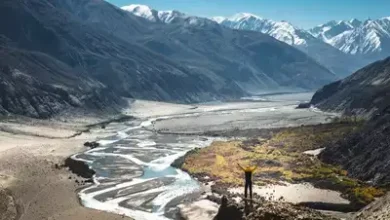
The rise in domestic travel can be attributed to various factors: state governments promoting rural tourism, offbeat destinations, and cultural experiences, along with the growth of culinary tourism that showcases regional diversity. Small towns like Coorg in Karnataka and Kutch in Gujarat exemplify how eco-friendly lodges, community-run tours, and local markets are benefiting from this shift. When tourists choose to explore local destinations, they support small businesses and contribute to the sustainability of local economies.
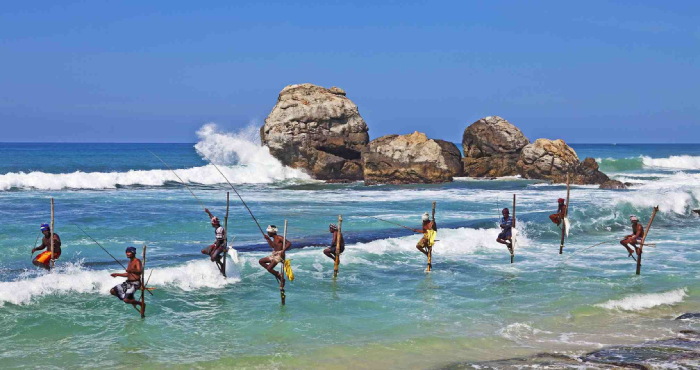
In the face of overtourism and environmental degradation at popular tourist spots, promoting domestic travel offers a more sustainable alternative. India’s immense diversity, in terms of culture, cuisine, and heritage, makes it an ideal country to explore. By focusing on local tourism, India can ensure that its rich ecosystems thrive alongside growing tourism, preserving its cultural and natural heritage for future generations.