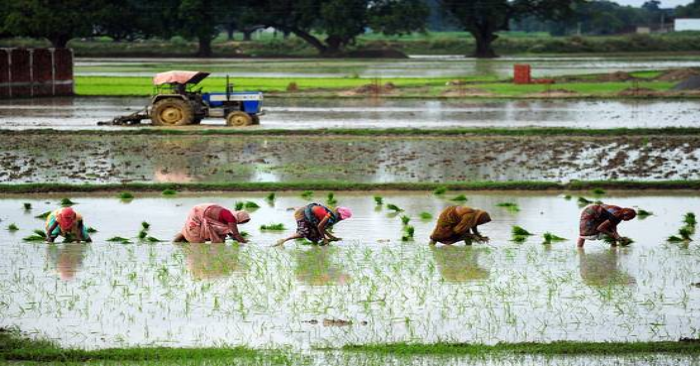
Agriculture remains the backbone of the global economy, providing food, raw materials, and employment to millions of people. With rising population, climate challenges, and shrinking arable land, modern agriculture has evolved to adopt innovative techniques that improve productivity while ensuring sustainability.
Importance of Agriculture

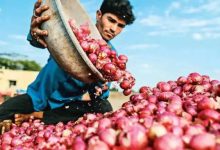
Agriculture plays a vital role in food security and rural development. It supports allied sectors such as dairy, fisheries, and agro-based industries. In developing countries, agriculture is a major source of livelihood and contributes significantly to national income.
Types of Agriculture
1. Subsistence Agriculture
Practiced mainly by small farmers, subsistence agriculture focuses on producing food for family consumption. Traditional tools and limited resources are commonly used.
2. Commercial Agriculture
This system involves large-scale production of crops or livestock for sale in markets. It uses modern machinery, improved seeds, fertilizers, and irrigation methods.
3. Organic Agriculture
Organic farming avoids synthetic chemicals and promotes natural inputs such as compost, green manure, and bio-pesticides. It improves soil health and produces chemical-free food.
Modern Agricultural Practices
Use of High-Yielding Varieties
Improved seed varieties increase crop productivity and resistance to pests and diseases.
Mechanization
Farm machinery like tractors, harvesters, and seed drills reduce labor dependency and increase efficiency.
Precision Farming
This technology-driven approach uses GPS, sensors, and data analytics to optimize water, fertilizer, and pesticide use.
Drip and Sprinkler Irrigation
Efficient irrigation systems reduce water wastage and ensure better crop growth, especially in water-scarce regions.
Role of Technology in Agriculture
Digital tools such as mobile apps, drones, and satellite imagery help farmers monitor crop health, weather patterns, and soil conditions. Artificial Intelligence (AI) and Internet of Things (IoT) are transforming farming into a data-driven industry.
Challenges in Agriculture
> Climate change and unpredictable weather
> Soil degradation and water scarcity
> Pest and disease outbreaks
> Rising input costs
> Limited access to modern technology for small farmers
> Addressing these challenges requires coordinated efforts from governments, researchers, and farmers.
Sustainable Agriculture
Sustainable farming focuses on meeting current food needs without compromising future resources. Practices such as crop rotation, integrated pest management, conservation tillage, and agroforestry help protect the environment and improve long-term productivity.
Future of Agriculture
The future of agriculture lies in smart farming, climate-resilient crops, and sustainable practices. With advancements in biotechnology and digital agriculture, farming is becoming more efficient, profitable, and environmentally friendly.
Conclusion
Agriculture continues to evolve with changing times. By adopting modern techniques and sustainable practices, farmers can increase productivity, improve income, and ensure food security for future generations. Strengthening the agricultural sector is essential for economic growth and environmental balance.