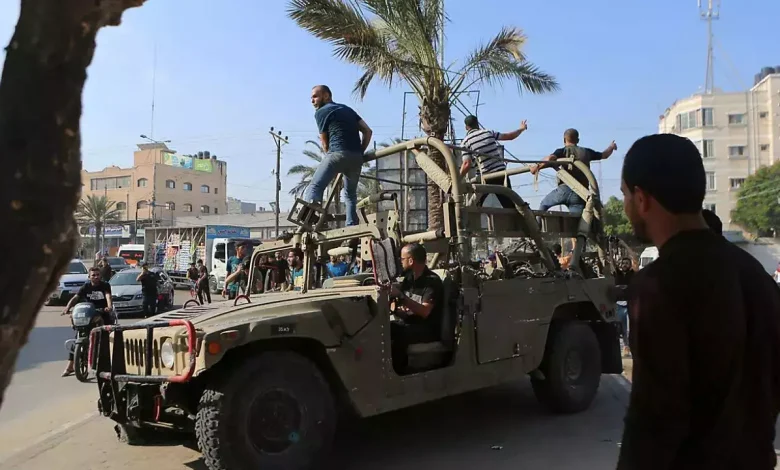
On October 7, 2023, Hamas launched a coordinated and unexpected attack on Israel, breaching multiple border points and catching Israeli military and intelligence agencies off guard. The attack led to widespread destruction, loss of lives, and the abduction of hostages, leaving Israel scrambling to respond.
A newly released investigation report by the Israeli military acknowledges that the failure of intelligence and military preparedness contributed significantly to the attack’s impact. The Israeli Defense Forces (IDF) admitted they underestimated Hamas’ capabilities, wrongly assuming that the militant group was more focused on governing Gaza rather than preparing for large-scale conflict. This misjudgment left Israel unprepared for the scale and sophistication of the assault.


The Associated Press (AP) reported that the findings could increase political pressure on Prime Minister Benjamin Netanyahu, with many Israelis blaming his administration for the security lapse. However, Netanyahu has stated that he will address the matter only after the war concludes.
Hamas’ Attack Strategy and Planning
The report revealed that Israeli intelligence initially believed Hamas could attack through a maximum of eight entry points along the border. However, Hamas had actually developed over 60 attack routes, allowing them to swiftly penetrate Israeli territory. The militants disabled surveillance systems, infiltrated residential areas, and targeted public spaces, including a music festival, highways, and military posts.
Hamas had planned the attack as early as 2017, with its leader Yahya Sinwar, who was reportedly killed in October 2023, spearheading the strategy. Intelligence suggests that Hamas had even considered launching the attack on three prior occasions but postponed it for undisclosed reasons.
The surprise attack saw thousands of Hamas fighters breach Israel’s security fences and enter using various means, including paragliders. Israeli forces were overwhelmed, and it took time to regain control over affected areas. The militants took 251 hostages and inflicted heavy casualties.
Resignations and Ongoing Crisis
Lt. Gen. Herzi Halevi, Israel’s Chief of Staff, publicly accepted responsibility for the military’s shortcomings. He announced his resignation in January 2024, stating that as the military commander during the attack, he holds responsibility for the failures. His resignation will take effect next week.
Meanwhile, the conflict continues to destabilize the region, displacing thousands and causing significant humanitarian crises. Although a six-week ceasefire is currently in place to facilitate the exchange of Israeli hostages and Palestinian prisoners, tensions remain high.
The findings serve as a critical reminder of the vulnerabilities in Israel’s defense strategy, highlighting the need for better intelligence, border security, and preparedness against future threats.